Unpacking Value: How Your Cotswold Property's Age Influences Its Market Worth

As Adam Clegg, an estate agent deeply rooted in the unique property landscape of the Cotswolds, Gloucestershire, and Bristol, I often find myself discussing the profound impact of a property's age on its market value. It's not merely a number; it's a narrative woven into the very fabric of the home, dictating everything from its character and construction to its potential for modernisation and ongoing maintenance. Understanding this relationship is crucial for any homeowner looking to sell, or any prospective buyer embarking on a property search in our beautiful region.
The Allure of History: Period Properties (Pre-1900s)
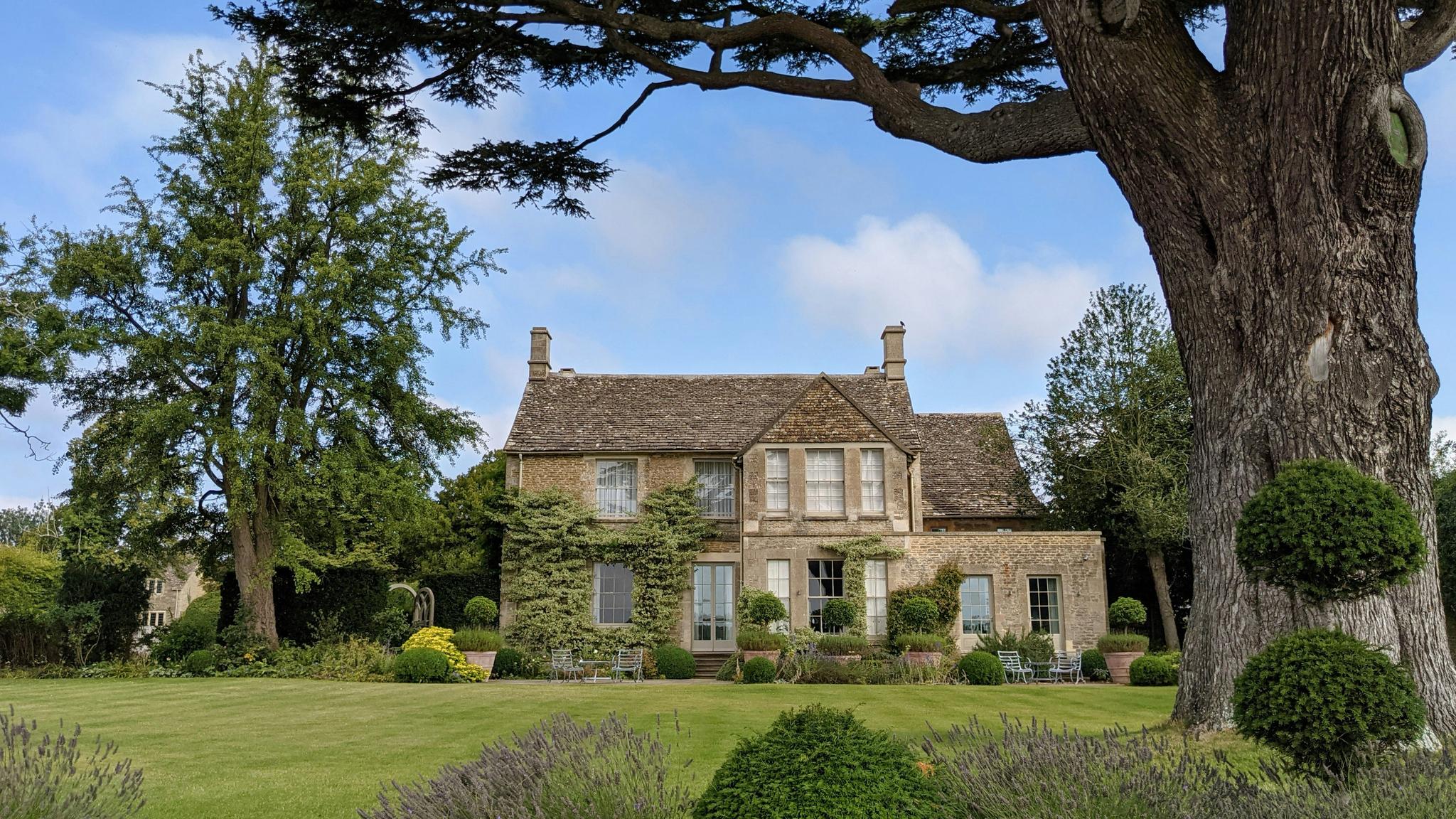
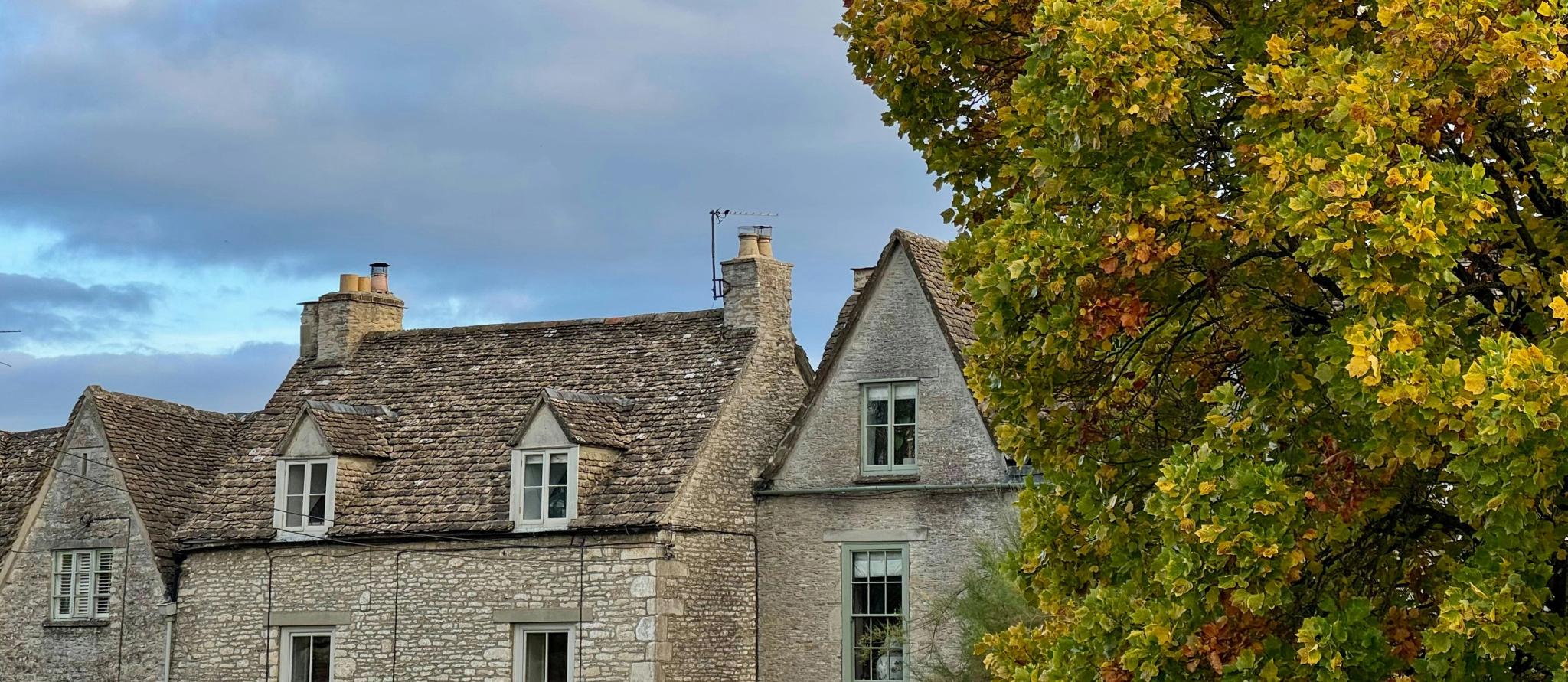
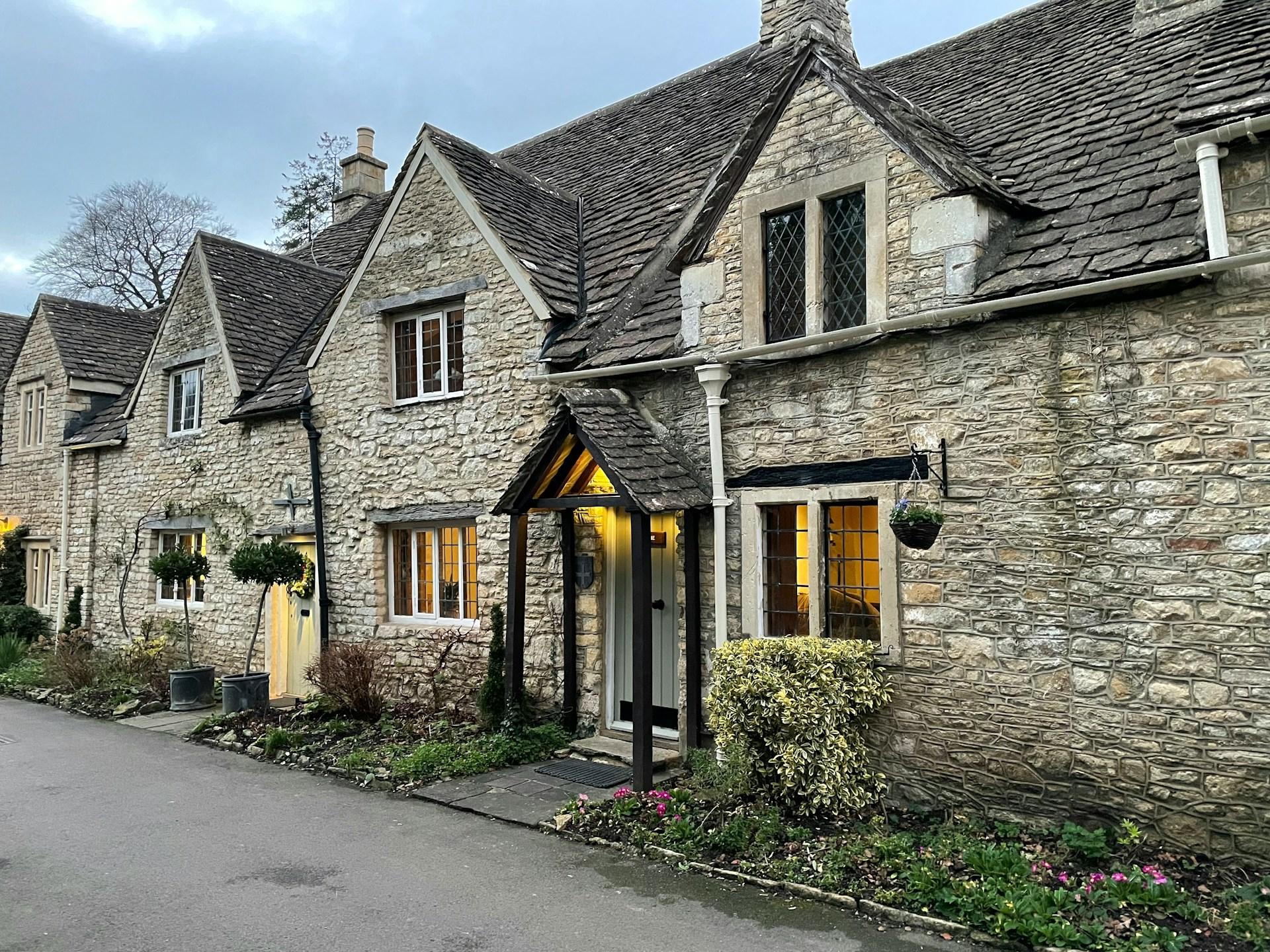
The Cotswolds is synonymous with its honey-coloured stone, and many of our most coveted properties date back centuries. Think 16th-century farmhouses, 17th-century weavers' cottages, or Georgian townhouses. These homes boast unparalleled character – exposed beams, inglenook fireplaces, stone mullion windows, and often a rich history. For many, this intrinsic charm is priceless, driving a strong emotional connection and, consequently, premium prices.
However, the charm comes with considerations. Older properties typically require more specialist maintenance, from lime mortar repointing to managing damp and upgrading services that may be generations old. Energy efficiency can be a challenge, though improvements are often possible within the constraints of their historic fabric. Many of these homes also fall under 'Listed Building' status, meaning any alterations, internal or external, require consent from the local planning authority. While this preserves their heritage, it can add complexity and cost to renovations. For guidance on listed building consent, refer to the government's planning portal: Source: https://www.gov.uk/guidance/listed-building-consent
Victorian & Edwardian Elegance (Late 1800s - Early 1900s)
Moving into the late 19th and early 20th centuries, we see the emergence of Victorian and Edwardian properties. These homes often represent a fantastic balance of character and practicality. They typically feature more generous room proportions, higher ceilings, and larger windows than their earlier counterparts, allowing for more natural light. Construction standards were robust, often with solid brick walls, slate roofs, and decorative architectural details.
While still requiring sympathetic upkeep, these properties often lend themselves better to modern living without extensive structural overhaul. They might possess original features like ornate cornicing, mosaic tiles, and fireplaces, which are highly desirable. Buyers often appreciate the opportunity to modernise kitchens and bathrooms while retaining the period charm, making them incredibly popular across Stroud and the surrounding villages.
Mid-Century Modern & Post-War Practicality (1930s - 1970s)
Properties from the mid-20th century represent a shift towards functionality and often larger gardens, particularly in the expanding suburbs of Bristol and parts of Gloucestershire. These homes tend to feature simpler designs, often with cavity walls for better insulation (compared to solid walls), and more standardised layouts. They were built for families and practicality, offering good-sized rooms and often excellent natural light.
From a value perspective, these properties often appeal to buyers seeking space and a project. While they may lack the immediate 'wow factor' of older homes, they offer immense potential for contemporary open-plan living and energy efficiency upgrades without the restrictions of listed status. Their robust construction provides a solid foundation for modernisation, making them an attractive proposition for those looking to add value through renovation.
Modern & Contemporary Builds (1980s Onwards)
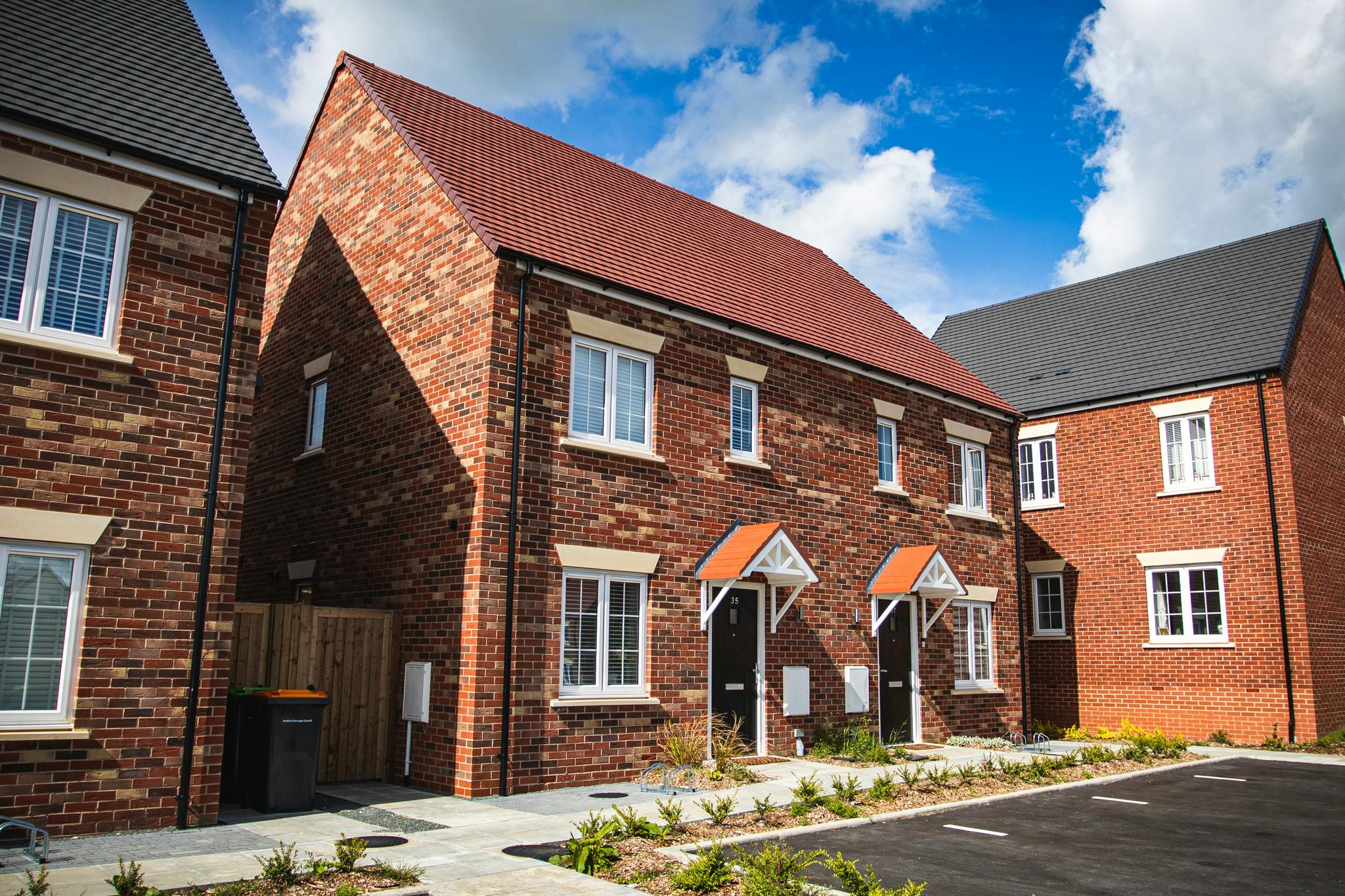
Newer properties in the Cotswolds and Bristol regions, from the 1980s to present day, are built to increasingly stringent building regulations. This means better insulation, double or triple glazing as standard, and more efficient heating systems. As a result, they generally boast superior energy performance, leading to lower running costs for homeowners. This is reflected in their Energy Performance Certificates (EPCs), which are a legal requirement when selling. You can find more information on EPCs here: Source: https://www.gov.uk/buy-sell-your-home/energy-performance-certificates
While they might not possess the centuries-old character of their older neighbours, modern homes offer convenience, often coming with warranties (especially new builds), minimal immediate maintenance, and layouts designed for contemporary lifestyles. Their value is often driven by location, specification, and the absence of a 'to-do list' for the new owner, appealing to those who prioritise comfort and efficiency.
Key Considerations for Buyers & Sellers in the Stroud/Cotswolds Area
Regardless of age, several factors consistently influence property value:
<ul><li><b>Maintenance & Upkeep:</b> Older properties, while charming, often demand more ongoing financial and time investment. Be transparent about this as a seller, and factor it into your budget as a buyer.</li><li><b>Energy Performance:</b> A higher EPC rating can significantly boost appeal and value, particularly in the current climate of rising energy costs.</li><li><b>Location:</b> Proximity to local amenities, schools, transport links, and the unique beauty of the Cotswold landscape remains paramount.</li><li><b>Condition & Modernisation:</b> A well-maintained older home will always fetch more than a neglected one. For newer homes, high-quality finishes and contemporary design are key.</li><li><b>Planning & Listed Status:</b> For sellers, understanding any restrictions is vital. For buyers, it’s crucial due diligence to comprehend what you can and cannot do to a historic home.</li><li><b>Insurance:</b> Older or period properties, particularly those with unique construction methods, can sometimes incur higher insurance premiums.</li></ul>
Adam Clegg's Final Thoughts
The age of your Cotswold property is undoubtedly a significant factor in its market value, but it's rarely the sole determinant. It shapes the character, dictates potential challenges, and influences the type of buyer it will attract. As an independent agent serving Stroud, Gloucestershire, and Bristol, my role is to help you navigate these nuances. Whether you're selling a historic gem or seeking a modern family home, understanding how age intersects with other value drivers – from location to condition – is essential for making informed, successful property decisions. There is no 'best' age; only the best property for your individual needs and aspirations.
The Market Pulse
My free monthly local market update. Real price data and what's actually selling across Stroud, the Five Valleys and the Cotswolds, plus the occasional note from me. No spam, unsubscribe anytime.
About Adam Clegg, MPlan
Adam Clegg is an independent estate agent based in Stroud, specialising in premium Cotswold property, investment, and land. He provides direct, honest, and rigorous property advice-offering a one-to-one advisory relationship that cuts through the noise of the standard high-street sale.
Read full profile →