Five Things to Fix Before You Sell in Tetbury

Quick Answer
If you are selling a period property in Tetbury, the work worth doing before you list is the practical, visible kind: tidy up the stone and the windows, sort the small repairs a survey will flag,…
Key Takeaways
- ✓A period Tetbury home sells best when buyers can see it has been looked after, so a handful of honest repairs and good presentation matter more than any single grand gesture.
- ✓Getting the price and the presentation right at launch is the bigger prize: Rightmove's figures show priced-right homes find a buyer in around 21 days against roughly 47 for those that have to be reduced.
- ✓Having the legal pack ready before you list keeps a sale moving once a buyer is found, which is where period purchases most often stall.
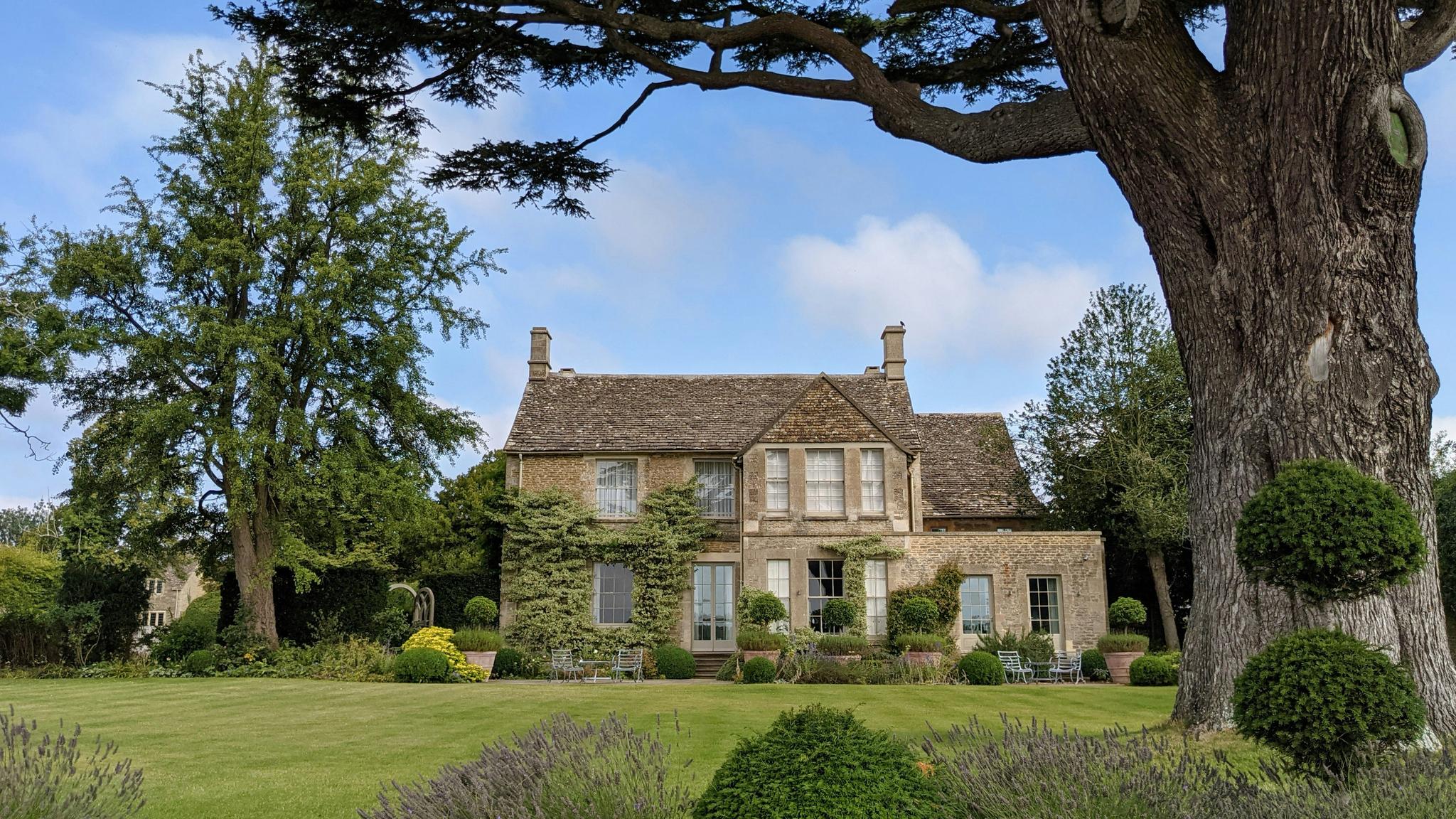
If you are selling a period property in Tetbury, the work worth doing before you list is the practical, visible kind: tidy up the stone and the windows, sort the small repairs a survey will flag, present the home and the garden well, and get your legal paperwork ready early. None of it is dramatic, but together it is the difference between a home that feels cared for and one that gives a buyer reasons to hesitate or renegotiate. Buyers here want the honey-coloured stone and the period character, what they do not want is the worry of inheriting a list of jobs.
Tetbury draws buyers from London and across the country for its architecture, its independent shops and its setting in the Cotswolds, and that interest is real. But a discerning buyer paying a Cotswolds price will look closely, and the things they notice tend to be the things sellers leave until last. Here is where I would put the effort.
1. Sort the stone and the pointing
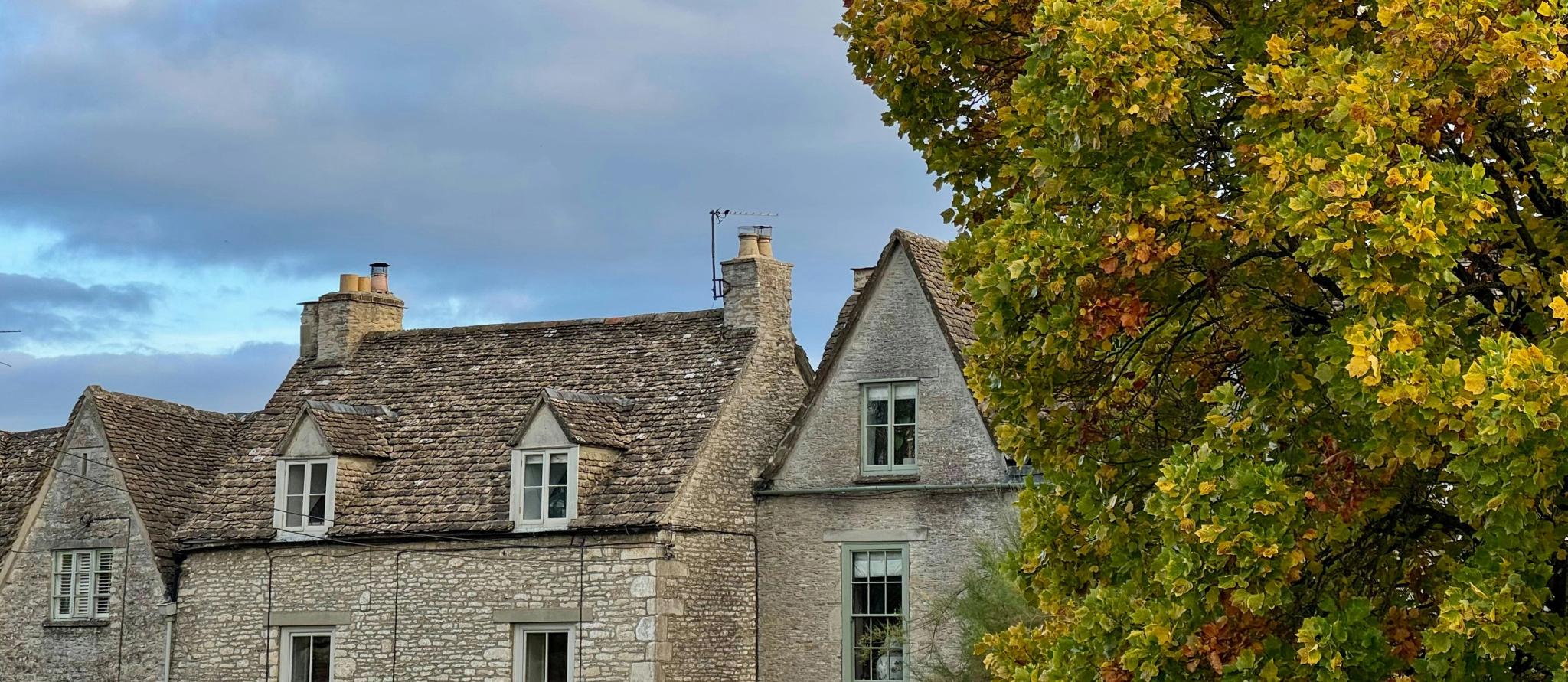
The Cotswold stone is the first thing a buyer registers, and failing pointing or any sign of damp ingress is the first thing that worries them. Where the mortar is crumbling or patched in the wrong material, it reads as deferred maintenance even to someone who knows nothing about building.
- Have any repointing done in traditional lime mortar, not modern cement, which traps moisture in period walls and can make matters worse.
- Deal with obvious damp at source before you list, rather than leaving a buyer's surveyor to find it and a buyer's solicitor to query it.
- A clean, sound exterior tells a buyer the whole house has been looked after, and that impression carries through the rest of the viewing.
2. Service the windows
Sash and traditional casement windows are a genuine selling point in a Tetbury home, but only when they actually work. Rattling, draughty or painted-shut windows are exactly the sort of thing that surfaces in a survey and triggers a renegotiation after you thought the price was settled.
Having them professionally serviced, re-corded where needed and draught-proofed is usually far cheaper than the reduction a buyer will ask for if they find the problem themselves. It also lets you present the original windows as an asset rather than apologise for them.
3. Tidy the small repairs and the heating
Period homes have a reputation for being cold, and a buyer will be thinking about running costs as much as charm. You do not need underfloor heating throughout, but a boiler that is modern and recently serviced, with radiators that work properly, removes a worry rather than creating one.
Alongside that, work through the small jobs that quietly add up:
- Sticking doors, dripping taps, blown bulbs and cracked tiles, the minor faults that make a home feel tired.
- Anything a survey will list, dealt with now rather than discovered later, since a buyer who finds ten small jobs assumes there are ten more they cannot see.
- A fresh, neutral coat of paint where rooms are scuffed or strongly coloured, so the character comes from the building, not the décor.
4. Present the outside space
Many Tetbury properties have a courtyard or walled garden rather than acres, and a small outside space photographs and shows far better when it is presented as a calm extension of the living area. Power-wash the flagstones, tidy the borders, and a few well-placed pots do more than you would expect to make the space feel inviting. The same applies to the front: a clean doorway, a tidy approach and clear house number are the first thing a buyer sees, in the photographs and in person.
5. Declutter, but keep the character
There is a difference between a characterful home and a cluttered one, and the exposed beams, flagstone floors and original fireplaces are what a buyer is paying for. Clear enough furniture and possessions that those features can breathe and the rooms feel their proper size. The aim is for a buyer to picture themselves living there, which is hard to do around someone else's belongings.
One thing I would add to all of this: get your legal pack started before you go to market, not after an offer comes in. Period and listed properties often carry extra paperwork, around alterations, consents or boundaries, and assembling it early is one of the simplest ways to stop a sale drifting once you have a buyer.
Adam's View
I would always rather a seller spend a modest amount on the visible, sensible repairs before listing than save it and lose far more in renegotiation after the survey. A buyer paying a Cotswolds price for a period home is not expecting it to be perfect, they are looking for reassurance that it has been cared for, and the small honest jobs give them that. Get those done, present the home properly, have the paperwork ready, and price to the real evidence from day one, because the first three weeks on the market are when interest is highest and hardest to win back.
The Market Pulse
My free monthly local market update. Real price data and what's actually selling across Stroud, the Five Valleys and the Cotswolds, plus the occasional note from me. No spam, unsubscribe anytime.
Frequently Asked Questions
Do I need to fix everything before a survey, or just declare it?
You do not have to fix everything, and some things, a buyer will accept as part of an older home. But the faults a survey flags tend to become the basis for a renegotiation, so dealing with the obvious, cheaper repairs first usually protects more value than it costs. Material facts you are aware of should be disclosed fairly to a buyer, never concealed, so the honest approach is also the safe one.
Is it worth repointing in lime mortar if it costs more than cement?
For a period Cotswold stone home, yes. Lime mortar lets the walls breathe and is the correct material for the building, whereas cement can trap moisture and cause damage that a surveyor will pick up. A buyer or their surveyor will often notice the wrong mortar, so doing it properly is both better for the house and better for the sale.
Should I get the legal pack ready before I list?
It is one of the most useful things you can do. Having your paperwork, including any consents for alterations on a period or listed property, assembled before a buyer is found keeps the sale moving at the point it most often stalls. It costs you nothing but a little time upfront and can save weeks later. If you are thinking about selling in Tetbury this year and want an honest view on what is worth doing first and what your home will really achieve, I am happy to come and talk it through, or you are welcome to pop over for a tea and a chat.
About Adam Clegg, MPlan
Adam Clegg is an independent estate agent based in Stroud, specialising in premium Cotswold property, investment, and land. He provides direct, honest, and rigorous property advice-offering a one-to-one advisory relationship that cuts through the noise of the standard high-street sale.
Read full profile →