Beyond the EPC: How Summer Heat Is Reshaping Buyer Demand in the Cotswolds

Quick Answer
An EPC measures energy efficiency, not how a home copes with summer heat, so a strong rating does not guarantee comfort in a heatwave.
Key Takeaways
- ✓An EPC measures energy efficiency and running costs across the year, not how a home copes with heat gain in summer, so a high rating does not guarantee comfort in a heatwave.
- ✓Heavy insulation cuts heating bills, but a tightly sealed, over-insulated home can struggle to shed heat as summers get warmer.
- ✓Older Cotswold stone properties often handle hot spells better than people expect because thick, dense walls are slow to warm and slow to cool.
- ✓Whether you are selling or buying around Stroud, the Five Valleys, Cheltenham, Gloucester, Cirencester, Tetbury or Bristol, summer comfort is becoming a genuine part of the conversation.
Every summer the questions on viewings shift, and more buyers now ask whether a home will stay comfortable when it is genuinely hot. An EPC tells you how well a home holds heat in. It says very little about how a home copes with heat coming in. Those are two different things, and buyers are starting to notice. If you are selling, the practical answer is to know how your home behaves in July and point out what helps it stay cool. If you are buying, it is worth asking the less obvious questions before you commit.
What an EPC actually measures
An EPC is built around energy efficiency. It tells you how efficiently a home uses energy across the whole year, which is useful for estimating running and heating costs. What it does not capture is heat gain in summer, or how easily a home sheds that heat once it has built up. A property can score well on paper and still feel uncomfortable on a hot afternoon if there is no easy way for the warmth to escape.
When I look at how a home will cope in summer, I tend to consider:
- Orientation, and which way the main rooms face through the day.
- The quality and depth of insulation, especially in the loft.
- Glazing, including whether there is any solar control.
- Whether the layout allows a natural through-breeze.
What it means if you are selling
Buyer priorities are moving from heating cost alone towards year-round comfort. On viewings I hear more questions about roof insulation, window glazing, natural ventilation and shade than I used to. A strong energy rating still has to translate into a home that feels liveable when the temperature climbs. If your home stays cool, it is worth saying so plainly rather than assuming people will notice.
Things genuinely worth highlighting if they apply:
- Good loft insulation and effective cross-ventilation.
- Mature trees or planting that shade the hottest elevations.
- Rooms positioned to avoid the full afternoon sun.
What it means if you are buying
There is a quiet advantage here for buyers who think past how a place shows on a bright spring morning. Picture the same rooms in July. A home that is likely to overheat is a fair point to raise in negotiation, particularly if it has been on the market for a while.
Worth asking about before you commit:
- Loft insulation and the standard of the glazing.
- Any solar control or shading on south and west-facing windows.
- The orientation of the rooms you will use most.
Why older Cotswold homes can have the edge
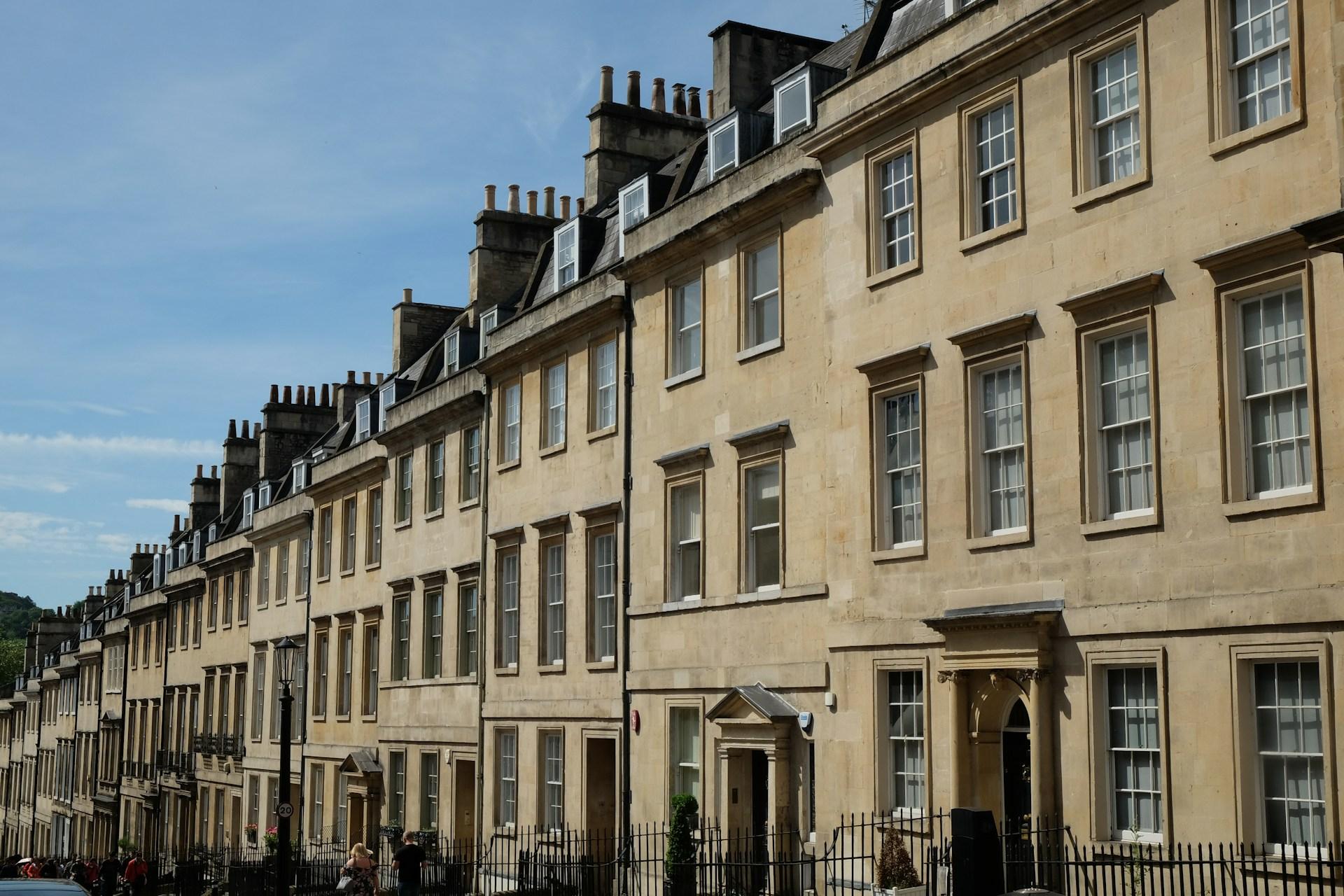
Older properties often handle heat better than people expect. Cotswold stone cottages, converted chapels and period houses tend to have thick, dense walls with high thermal mass, so they are slow to warm and slow to cool. That means they hold their temperature through a heatwave and tend to stay cooler inside while the day bakes, then hold warmth in the colder months too.
The push for ever higher energy-efficiency ratings is sensible, but a tightly sealed, heavily insulated modern home can struggle in hot spells if it has no easy way to lose heat. A high EPC score and genuine year-round comfort are not always the same thing, and that is worth keeping in mind whether you are weighing up a new build near Gloucester or a stone cottage above the Five Valleys.
Adam's view
It is easy to treat summer heat as a passing inconvenience, but the change in what buyers expect looks structural rather than seasonal to me. People are simply asking more questions about comfort across the whole year, not just the heating bill. Small, honest steps matter here, like flagging the shade in a garden or the way a house draws a breeze through on a warm evening. A home that genuinely feels comfortable in both January and July tends to hold its appeal, and I would rather describe that honestly than oversell it.
Sources and further reading
- [Energy Performance Certificates, GOV.UK](https://www.gov.uk/buy-sell-your-home/energy-performance-certificates)
- [Keeping your home cool in summer, Energy Saving Trust](https://energysavingtrust.org.uk/keeping-your-home-cool-in-summer/)
- [Energy efficiency in older and traditional homes, Historic England](https://historicengland.org.uk/advice/technical-advice/energy-efficiency-and-historic-buildings/)
---
The Market Pulse
My free monthly local market update. Real price data and what's actually selling across Stroud, the Five Valleys and the Cotswolds, plus the occasional note from me. No spam, unsubscribe anytime.
Frequently Asked Questions
Does a high EPC rating mean a home will stay cool in summer?
Not necessarily. An EPC measures energy efficiency and running costs across the year, so it tells you little about how a home manages heat gain or how easily it sheds warmth in summer. A well-rated home can still feel uncomfortable on a hot day if it cannot lose heat easily, which is why it is worth looking at orientation, glazing and ventilation separately.
Are older Cotswold stone homes really better in a heatwave?
They often cope well. Thick, dense stone walls have high thermal mass, so they warm slowly and cool slowly, which helps keep interiors steadier through hot spells. It is not a guarantee for every property, but it is a genuine characteristic of a lot of older stone and period homes across the area.
What should I do if my home tends to overheat in summer?
Focus on the practical steps. A few simple things make a real difference to keeping a house cool in a heatwave, whether you are in Stroud, the Five Valleys, Gloucester, Cheltenham, Cirencester or Bristol: - Close curtains and blinds on the sunny side during the day, and open windows on opposite sides in the cool of the evening for a through-breeze. - Make sure loft insulation is good, as it slows heat coming down through the roof as well as escaping in winter. - Add shading where you can, from planting and mature trees to external blinds or shutters on south and west-facing windows. - Consider solar-control or reflective film on the hottest glazing. - Keep airflow moving through the house, using the layout and any rooflights to let warm air rise and escape. When it comes to selling, it is better to be clear about how a home behaves and point to what works than to gloss over it. If you are weighing up a sale and want a clear, grounded read on where your home sits, you can [book a valuation](https://www.adamclegg.co.uk/valuation) and we can talk through how it actually lives across the year, summer included. For more on how I approach pricing without the spin, here is my take on what [an honest valuation](https://www.adamclegg.co.uk/insights/valuation) really involves.
About Adam Clegg, MPlan
Adam Clegg is an independent estate agent based in Stroud, specialising in premium Cotswold property, investment, and land. He provides direct, honest, and rigorous property advice-offering a one-to-one advisory relationship that cuts through the noise of the standard high-street sale.
Read full profile →