Chapter 01
Canal Town Roots.
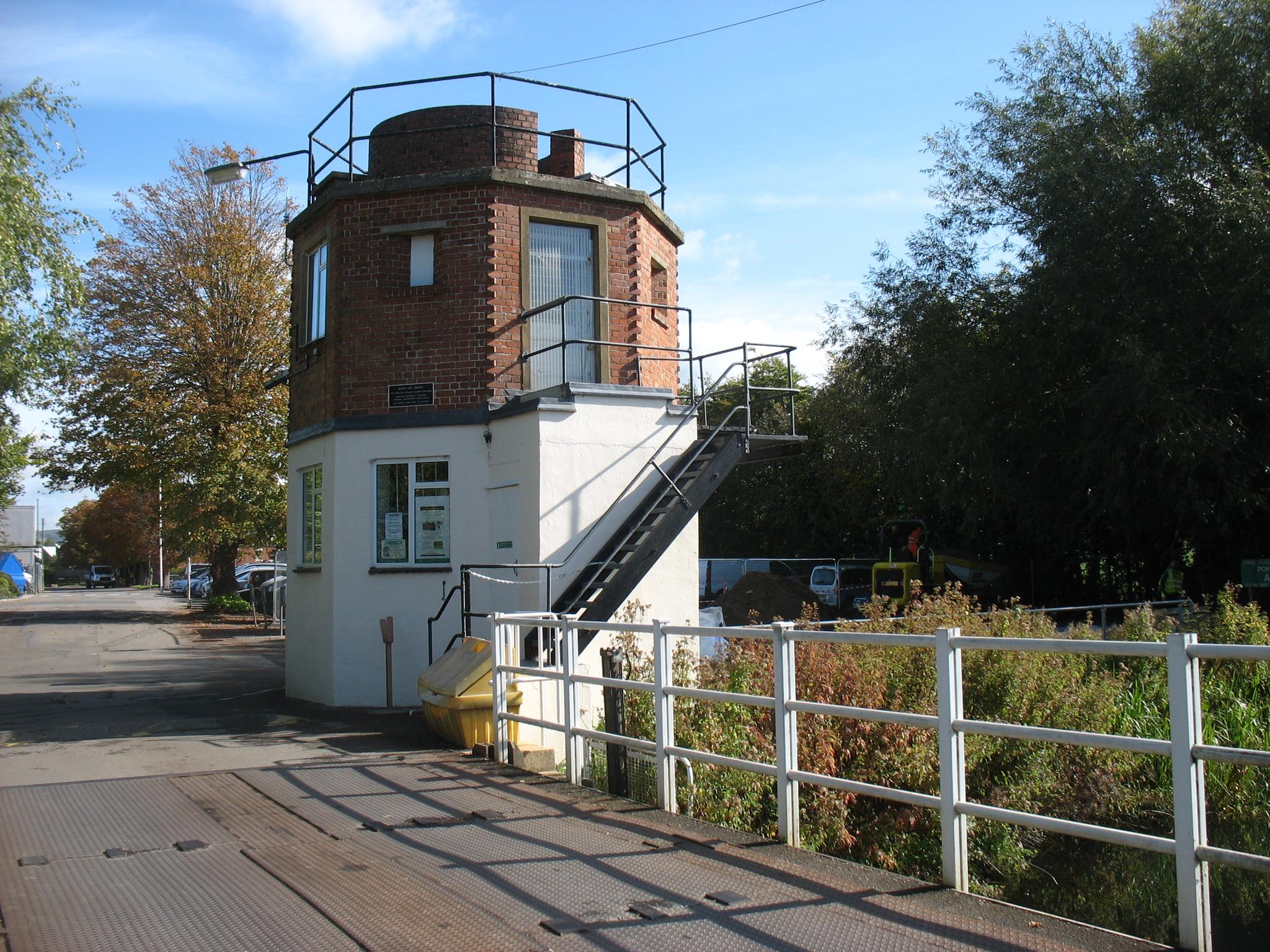
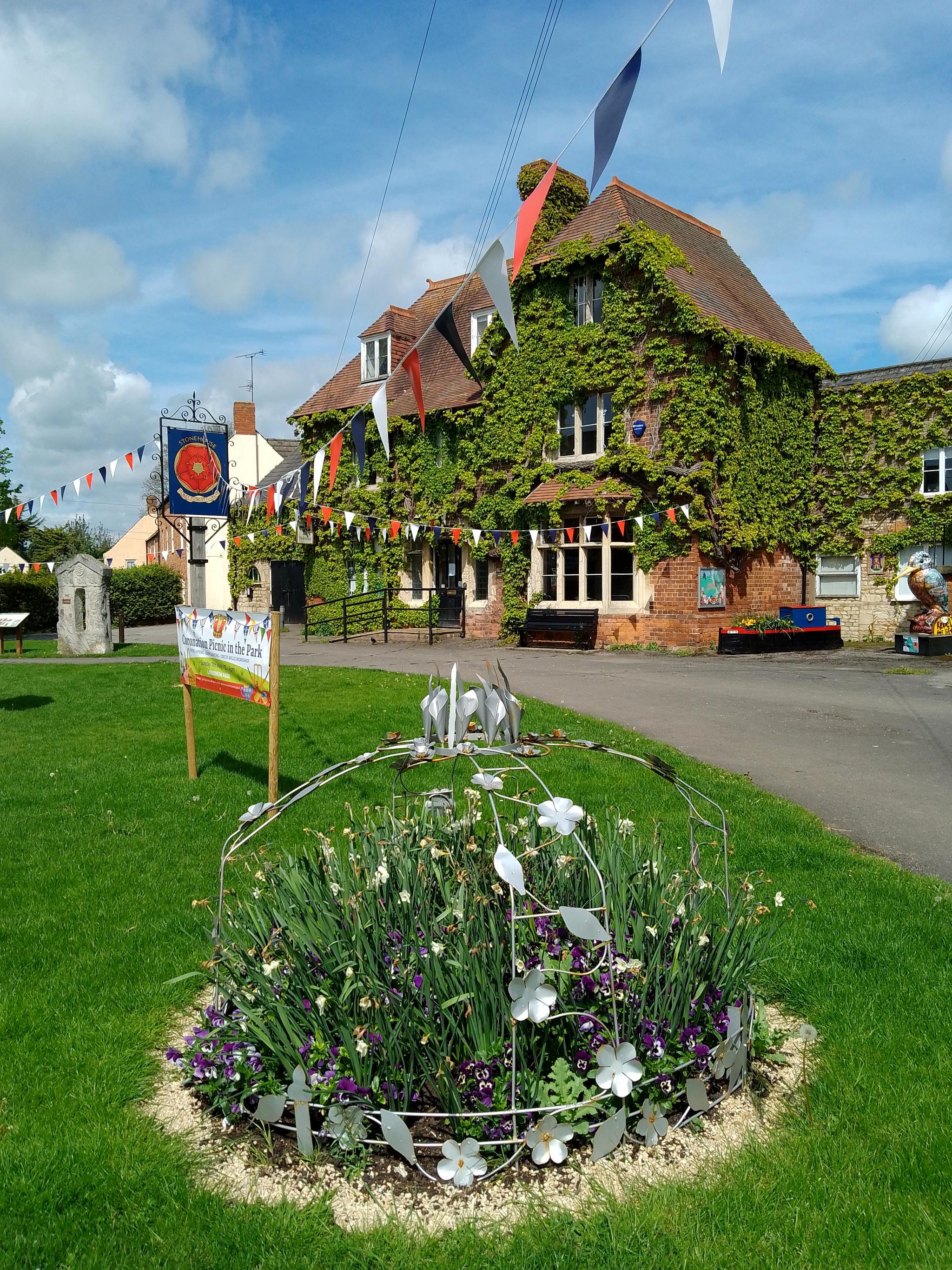
Stonehouse owes much of its character to water and stone. The name traces back to the Domesday Book of 1086, when the manor house was unusually built of stone rather than wattle and daub. The town really took shape after 1779, when the Stroudwater Navigation was cut to carry cloth and coal between the Severn and the mills of the valleys. You can still follow the towpath out past Stonehouse Court and the Ocean, where canal boats once turned at the iron swing bridge. It is a town that wears its industrial history lightly but proudly.
Chapter 02
A High Street That Still Works.
Unlike many towns its size, Stonehouse has held on to a working high street. Alongside the everyday names you will still find a butcher, a baker and a greengrocer, plus homeware shops, a bike shop, a specialist fishing shop, and the doctors, dentists, opticians and hairdressers that let people run daily life without driving to Stroud or Gloucester. Two pubs anchor either end of the street, the Globe and the Woolpack, and cafes and takeaways fill in between. It is the kind of place where buyers value being able to walk to most of what they need.
Chapter 03
Trains, Towpaths and the Five Valleys.
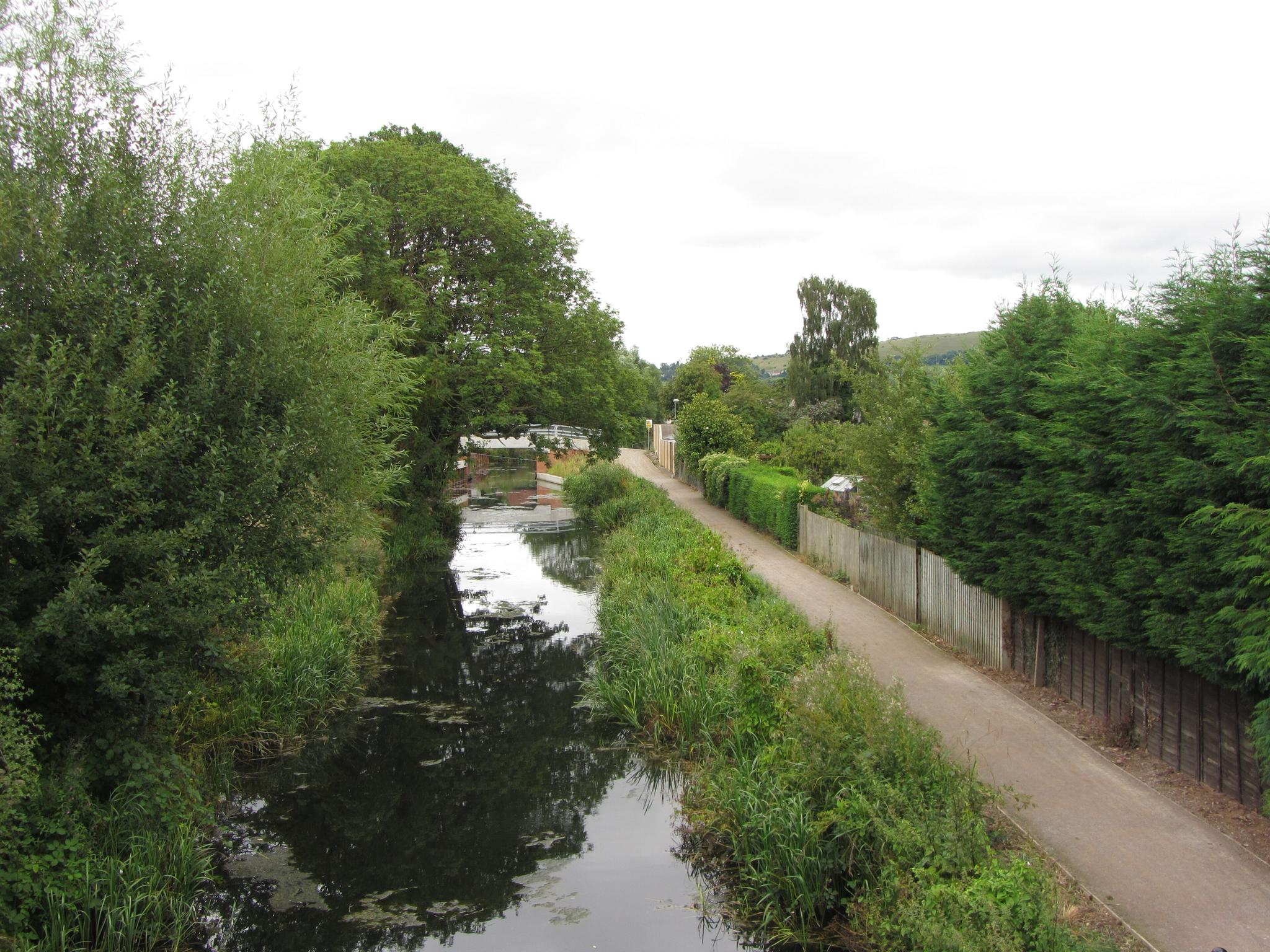
For all its village feel, Stonehouse is well connected. The station sits on the Golden Valley Line with direct services to Gloucester, Stroud, Swindon and London Paddington, the fastest reaching the capital in around an hour and forty minutes. The M5 at Junction 13 is a short drive west. Yet step the other way and you are quickly into open country: the Stroudwater Canal towpath, the wooded slopes of Doverow Hill, and footpaths up into the famous five valleys. That balance of access and escape is a large part of the town's appeal.

Chapter 04
On the Flat.
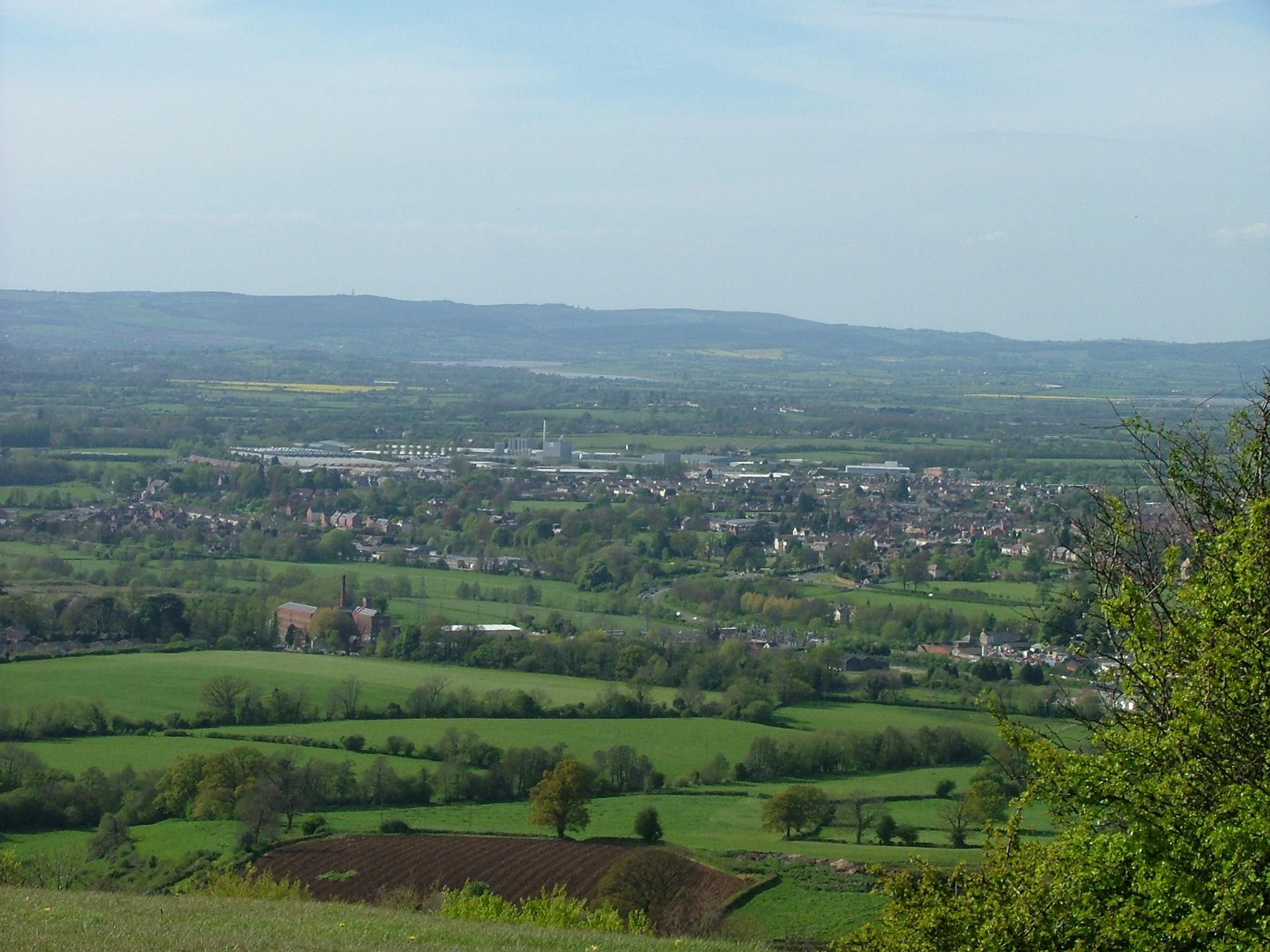
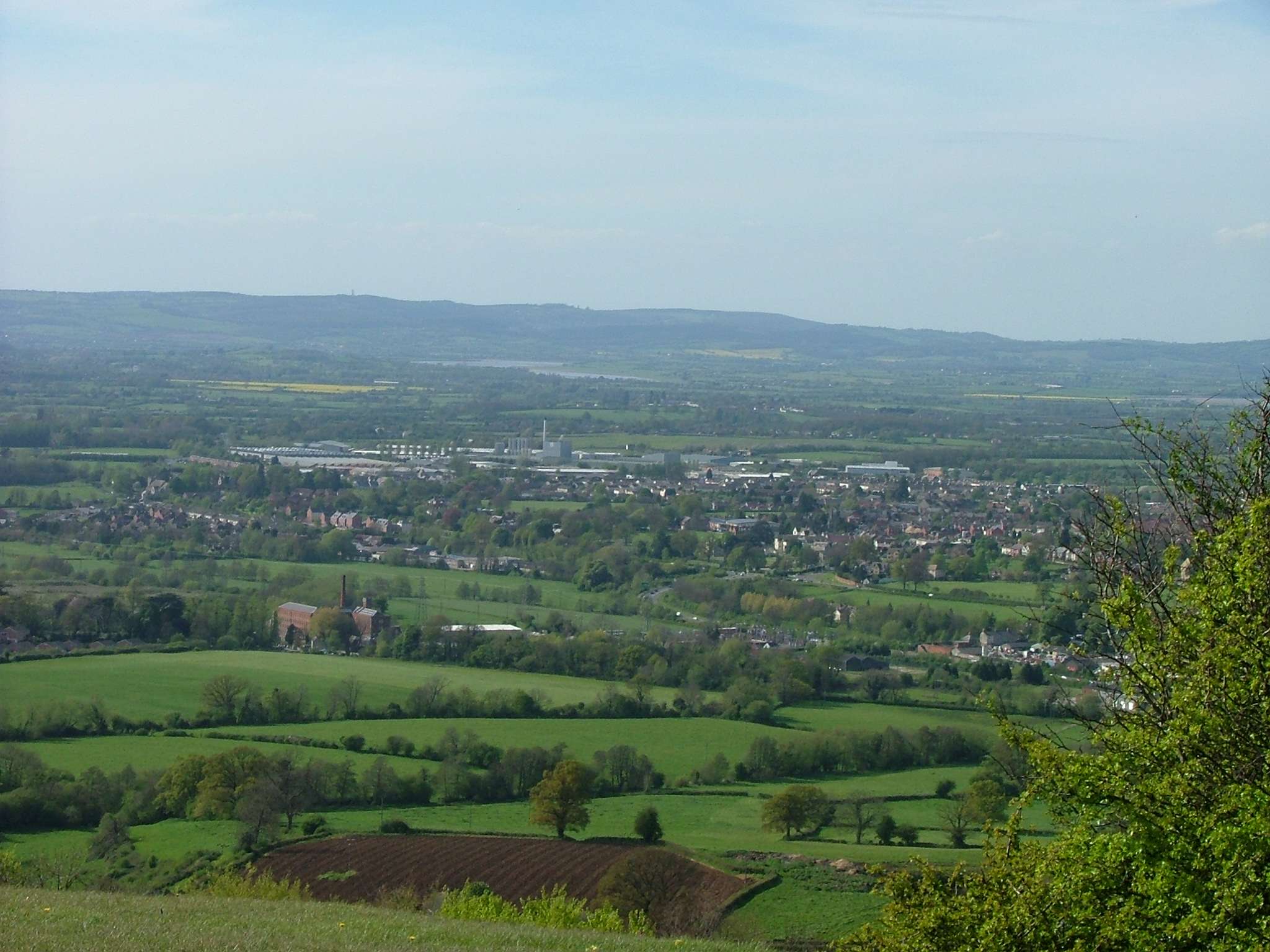
Stonehouse is the only town in the Stroud district that sits on genuinely level ground — not on a hillside, not tucked into a valley, but on the flat plain between the escarpment and the Severn. That position gave it the canal, then the railway, then the industrial estates that keep people employed. It also gives it a quality of light and scale that the valley towns never quite have.