Chapter 01
The Hidden Combe.
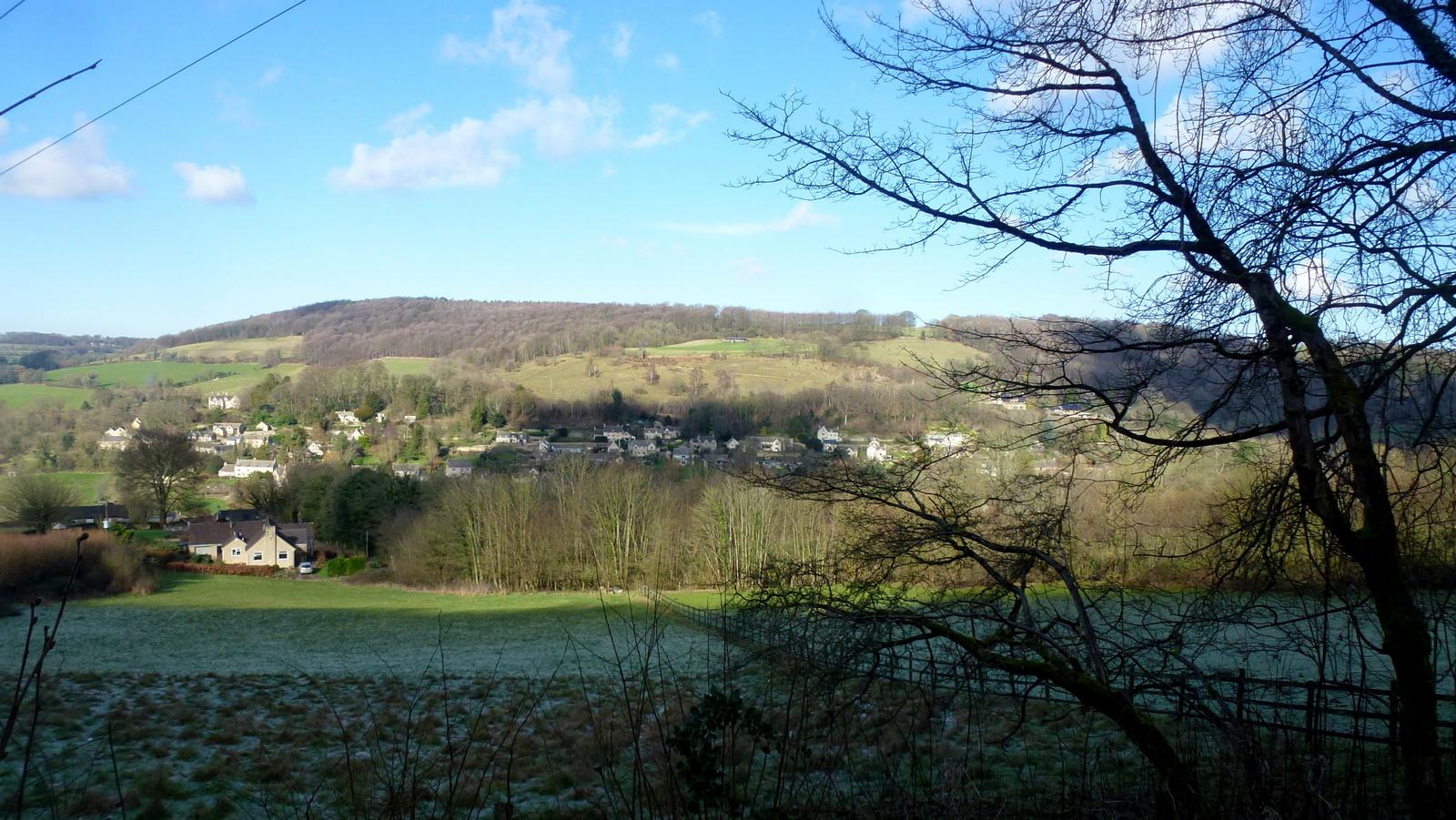
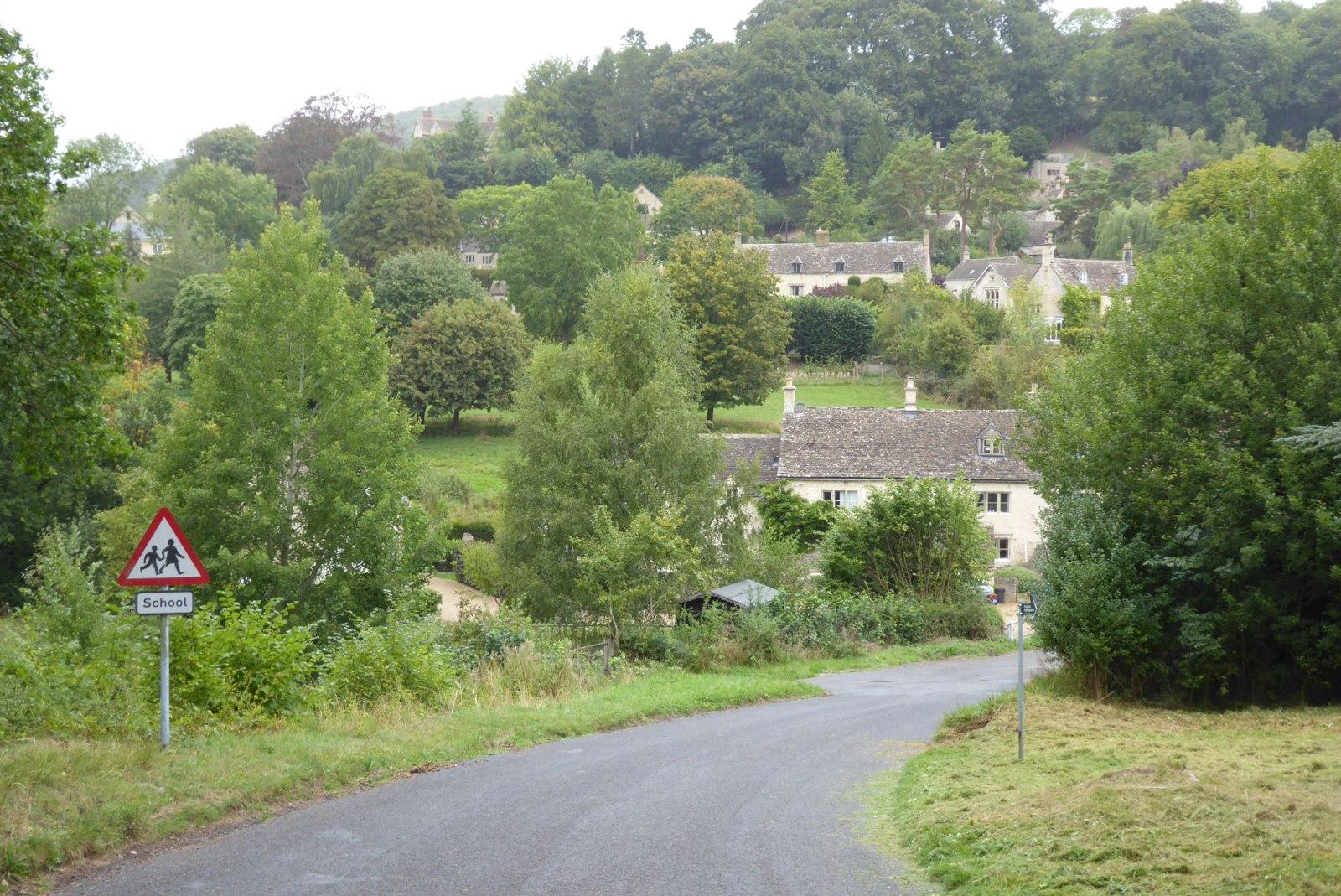
Sheepscombe does the geography of a Cotswold village more emphatically than most. The settlement sits in a narrow valley hidden behind the Cotswold scarp, six and a half miles south-east of Gloucester and a mile and a half from Painswick — close enough to be in the parish of Painswick (the civil parish it shares), far enough that you cannot see it until the single lane in drops you over the lip of the combe. The valley sides are steep and densely wooded; the village proper threads along the contour with the church above and the cricket field below, and the named hamlets — Jack's Green, Cockshoot, Longridge — pin the wider parish boundary onto the surrounding ridges. The Cotswold Way runs the high ground above on its line south from Painswick Beacon to Cranham, and the Beacon itself — at 283 metres, the highest point on the Cotswold ridge above Stroud — is twenty minutes' walk from the village. Postcode GL6 7. You buy here for the combe — for the fact that, from inside the village, the rest of the country effectively disappears.
Chapter 02
A Working Village That Survived Its Industry.
The first record of the village is 1260, as *Sebbescumbe*, the combe of an early settler named Ebba or Sebba. For two centuries from the early 1600s Sheepscombe was a cloth-making village like the rest of the Five Valleys — fulling and weaving on the brook that runs through the combe, with the trade peaking in the late eighteenth and early nineteenth centuries. The last mill closed in 1839, and what followed was the standard Cotswold pattern: industrial collapse, depopulation, the slow drift into something else. What is distinctive about Sheepscombe is what was put in afterwards. St John the Apostle was built in 1820 by John Wight and is Grade II listed — a hilltop chapel of ease raised at the moment the village still had the population and the money to raise it. The village school opened in 1822, was rebuilt on the same site in 1882, and is still operating today as Sheepscombe Primary — fifty-five pupils on the roll, Ofsted Good, anchoring family life in a way that very few villages this size still manage. Frank Mansell (1918–1979), the Cotswold poet and a friend of Laurie Lee, lived and wrote here. So did Mike Sadler, one of the original founding members of the SAS. The actor William Moseley grew up here. It is a small parish that has, by repeated coincidence, produced and held onto a striking number of people who did interesting things elsewhere.
---
Chapter 03
Workman Wood & the Deep Combes.
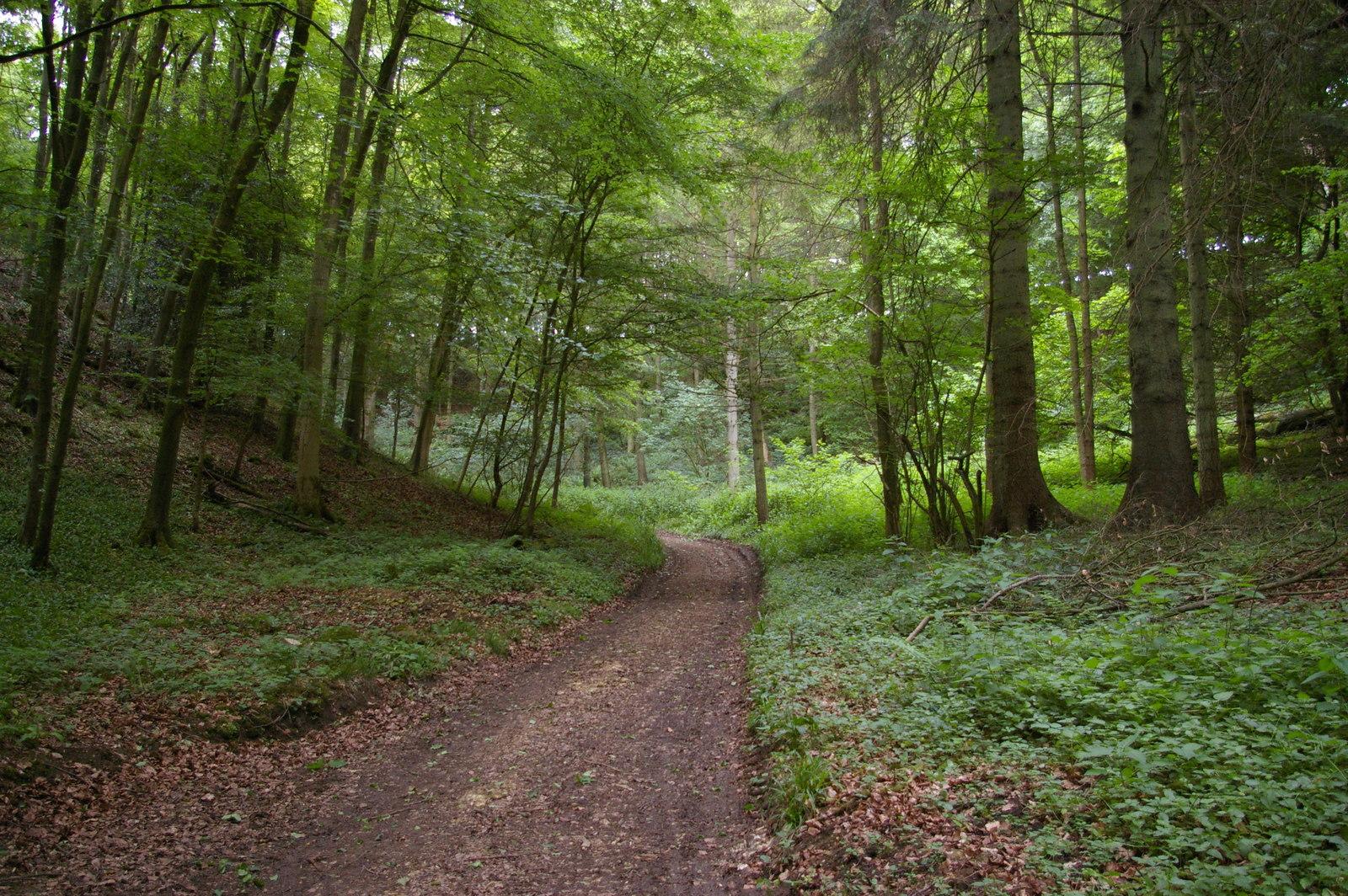
Above Sheepscombe the valley sides close in and the woodland takes over. Workman Wood, Buckholt Wood and the connecting footpaths into the Painswick valley form one of the most rewarding walking circuits in the Cotswolds, used daily by residents and rarely discovered by casual visitors. The network of paths connects Sheepscombe to Painswick to the east and the Slad valley to the west without once requiring a road — a density of good walking that drives property decisions as much as price.