Chapter 01
On the Spur.
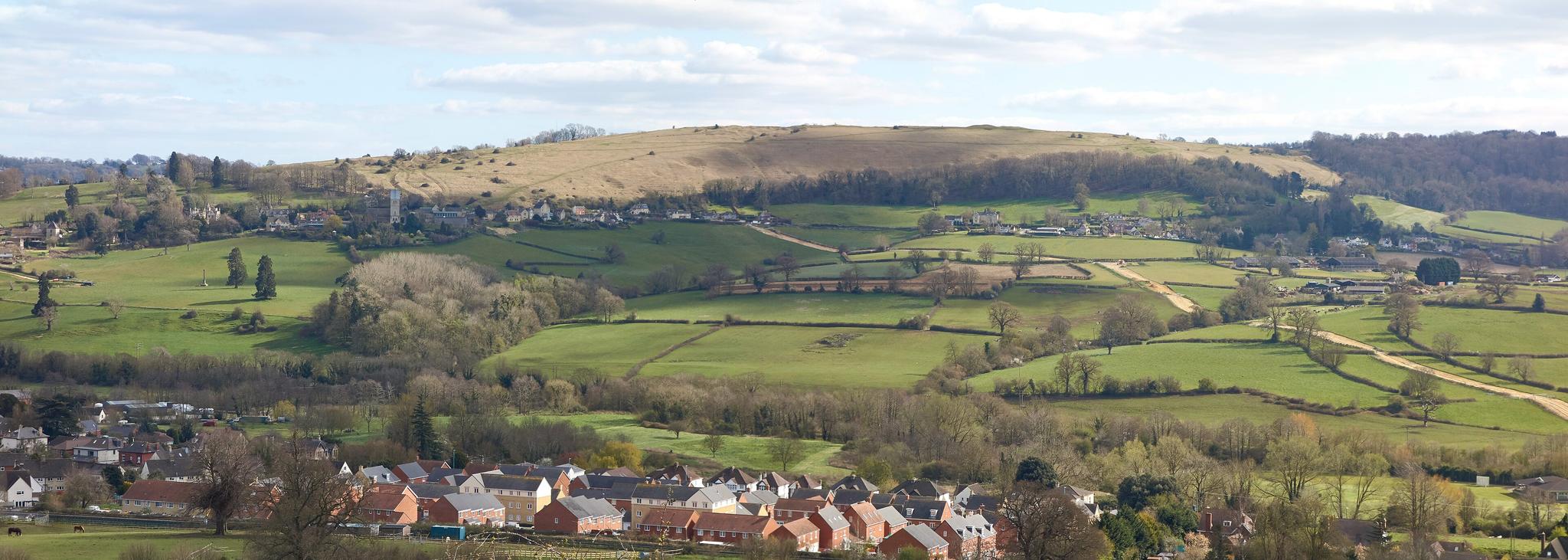
Selsley does not sit *on* a hill in the usual Cotswold sense — it sits on a spur, a single tongue of high ground projecting west from the main escarpment, with the land falling away on two sides and the village's houses strung loosely along the ridge between. The geology is Middle Jurassic limestone: the cross-sections at the old Leigh's Quarry are clean enough to teach from. The Cotswold Way runs the length of the common and onward south to Coaley Peak; the Frome Valley folds away to the east; King's Stanley sits at the foot of the western drop. The village is part of the civil parish of King's Stanley — Selsley itself was constituted as an ecclesiastical parish only in 1863, the year after the church was built, and the name was retrofitted onto what had previously been three separate hamlets: Stanley End, Picked Elm and The Knapp. You buy here for the spur — the moment the lane levels off, the trees stop, and the Severn comes into view.
Chapter 02
One Mill-Owner, One Estate, One Church.
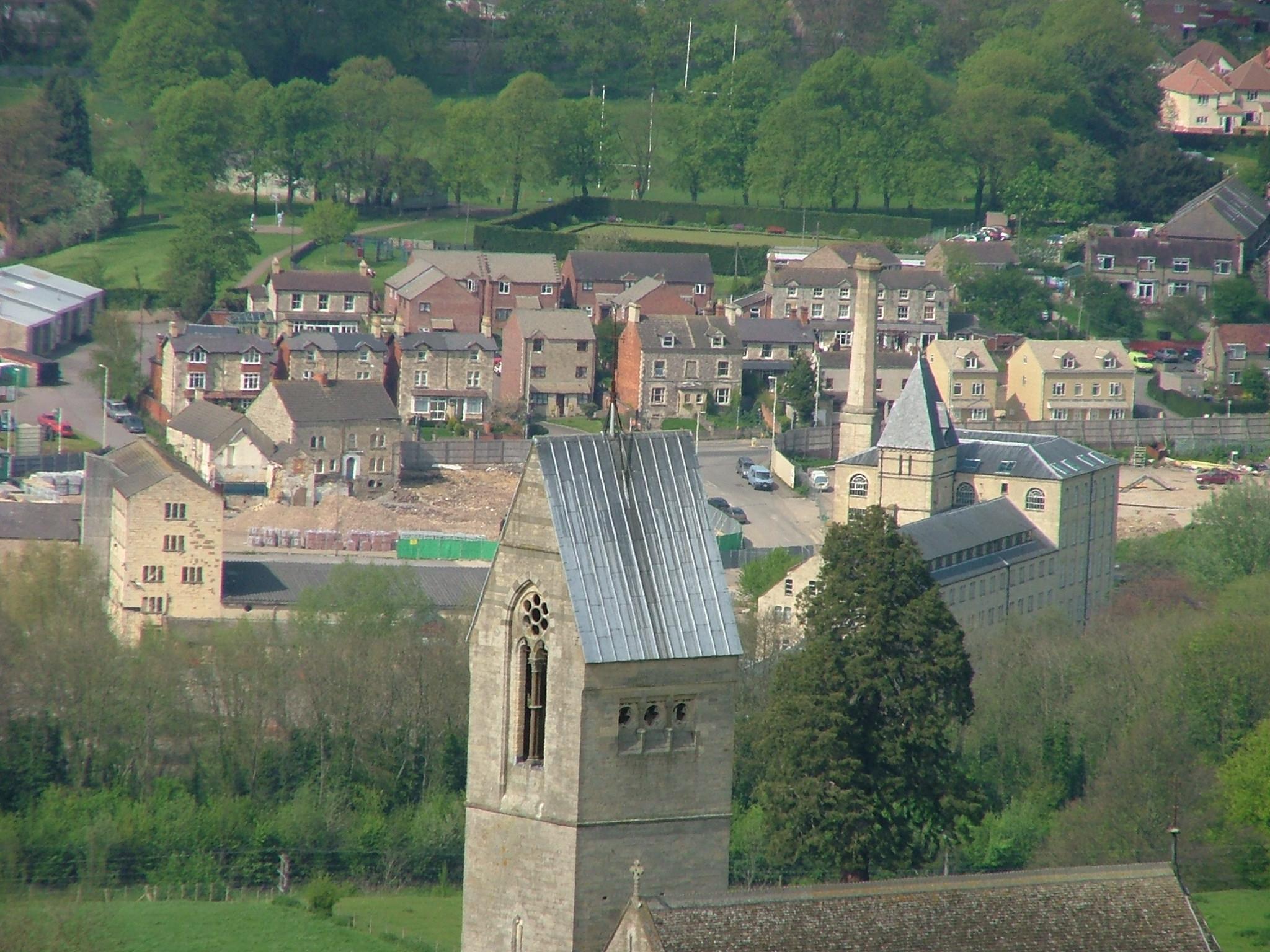
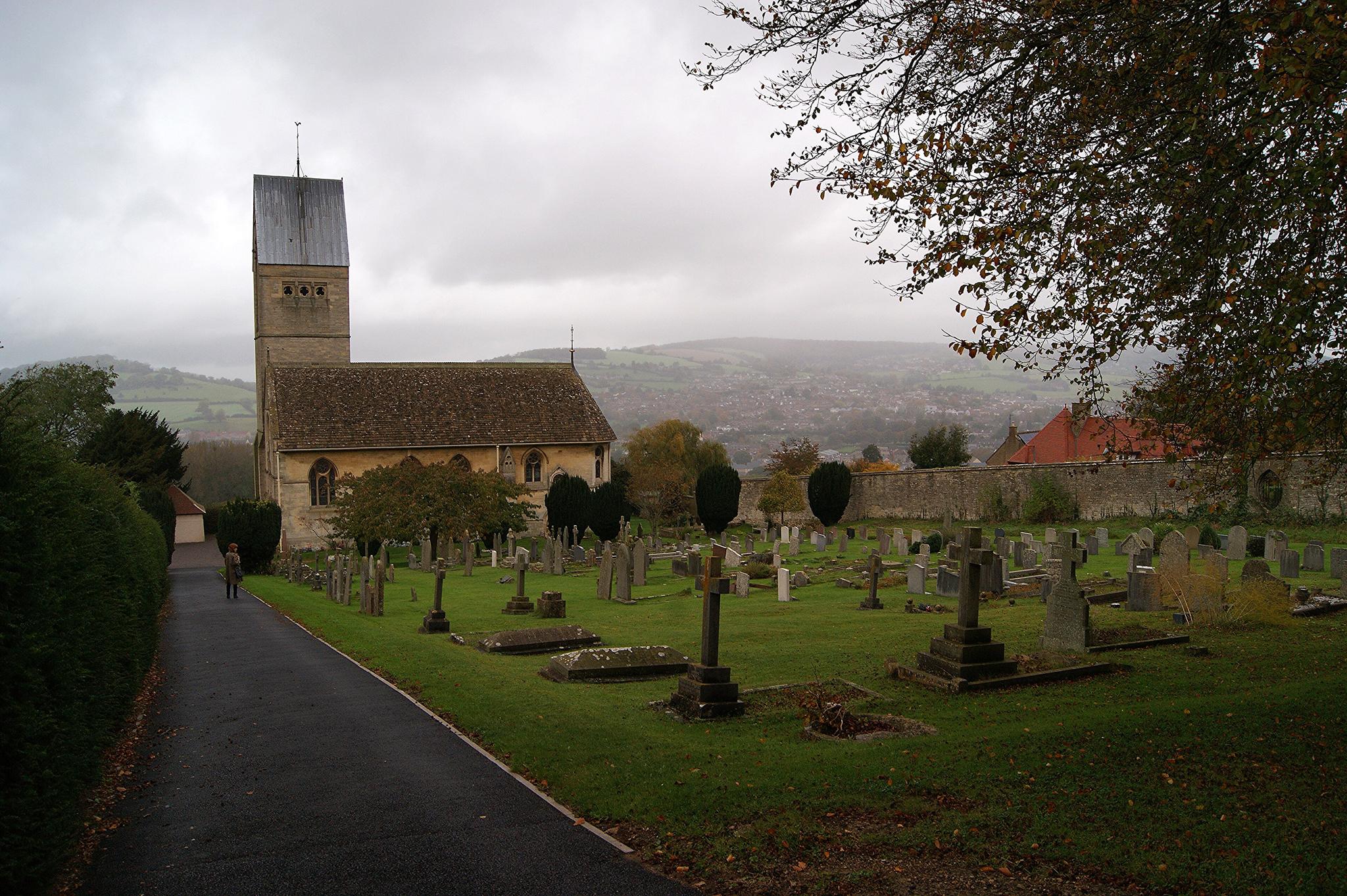
Selsley is the rarest of Cotswold things: a village that owes its modern shape to a single nineteenth-century industrialist. Sir Samuel Marling bought Stanley Park in 1850, remodelled the house, employed Bodley to build Ebley Mill down the valley and All Saints up on the spur, and effectively willed Selsley into being as a recognisable place. The Marling family held Stanley Park until 1952, when the house and estate were broken up at auction across fifty-four lots — and the village that exists today is, in real terms, the residue of that dispersal. The result is a settlement of around 175 houses with no high street, no village shop, no parish council of its own, and — improbably — one of the most internationally significant churches in the county and a 16th-century coaching inn with two AA rosettes. The institutions are few; the ones that survive are disproportionately good. That is the deal at Selsley.
---
Chapter 03
Selsley Common.
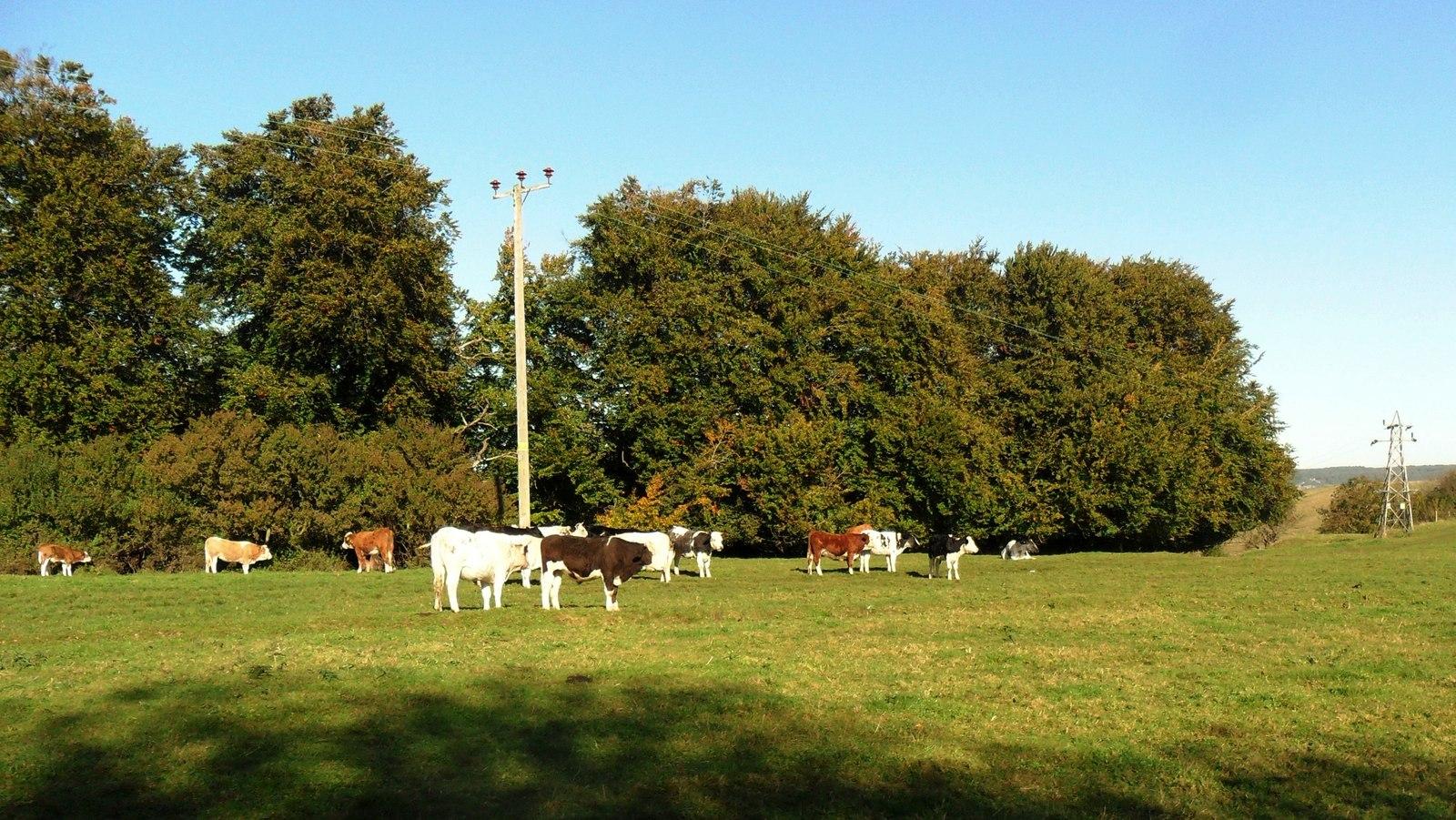
Selsley Common sits above the village on the escarpment edge and has been grazed common land for centuries. The views from the top run north to the Malvern Hills and west to the Forest of Dean and the Welsh hills beyond — some of the longest sightlines available from any accessible point in Gloucestershire. The common is managed by the National Trust and grazed by cattle whose right of way over the lane predates the car. On summer evenings it draws walkers from Stroud, Stonehouse and the surrounding villages who come specifically for the light at the edge of the escarpment.