Chapter 01
The Ridge Town.
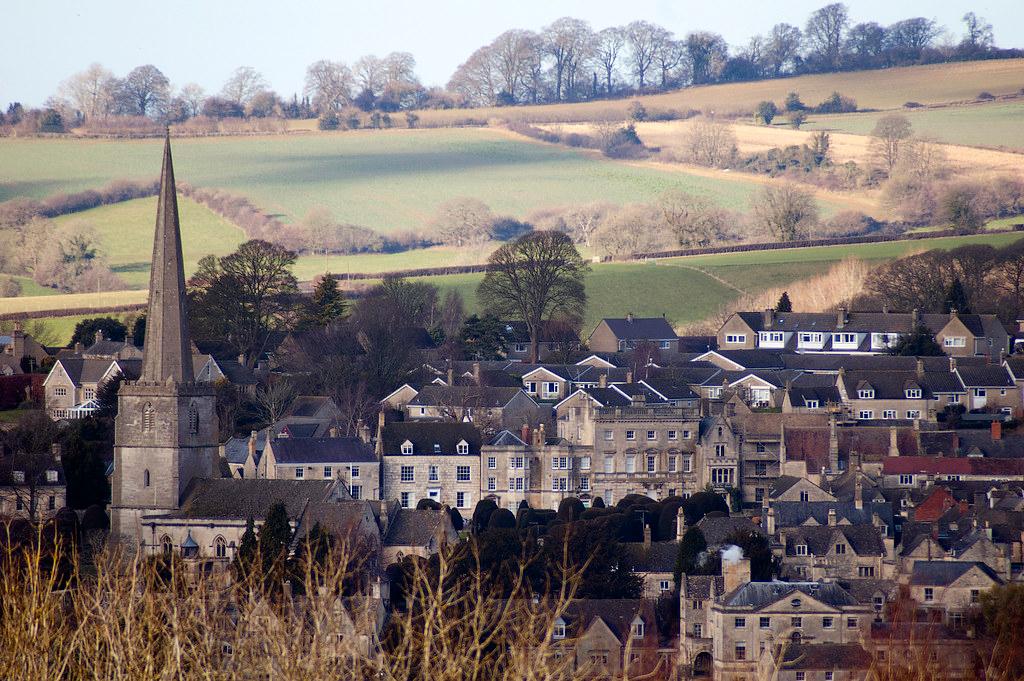
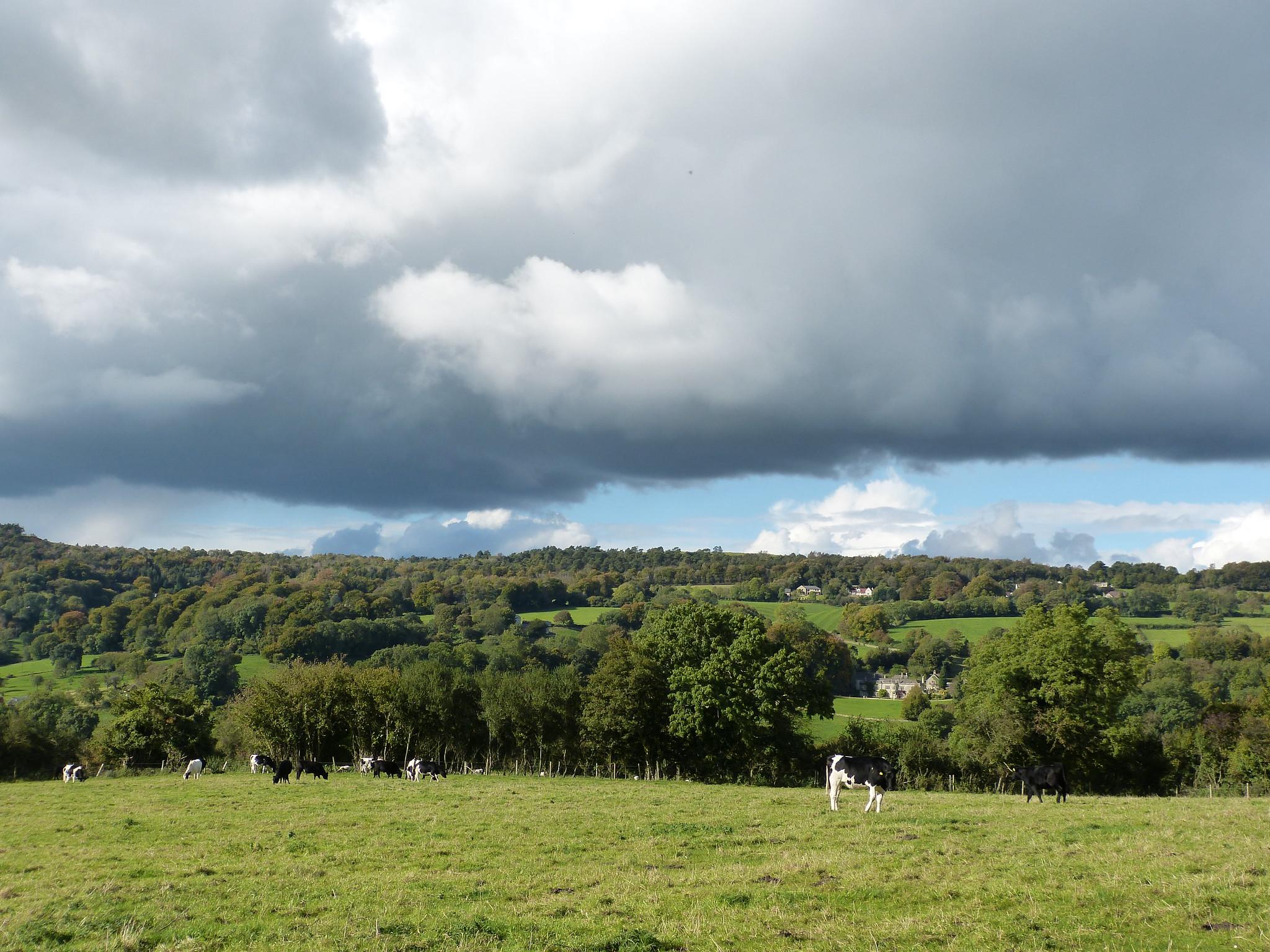
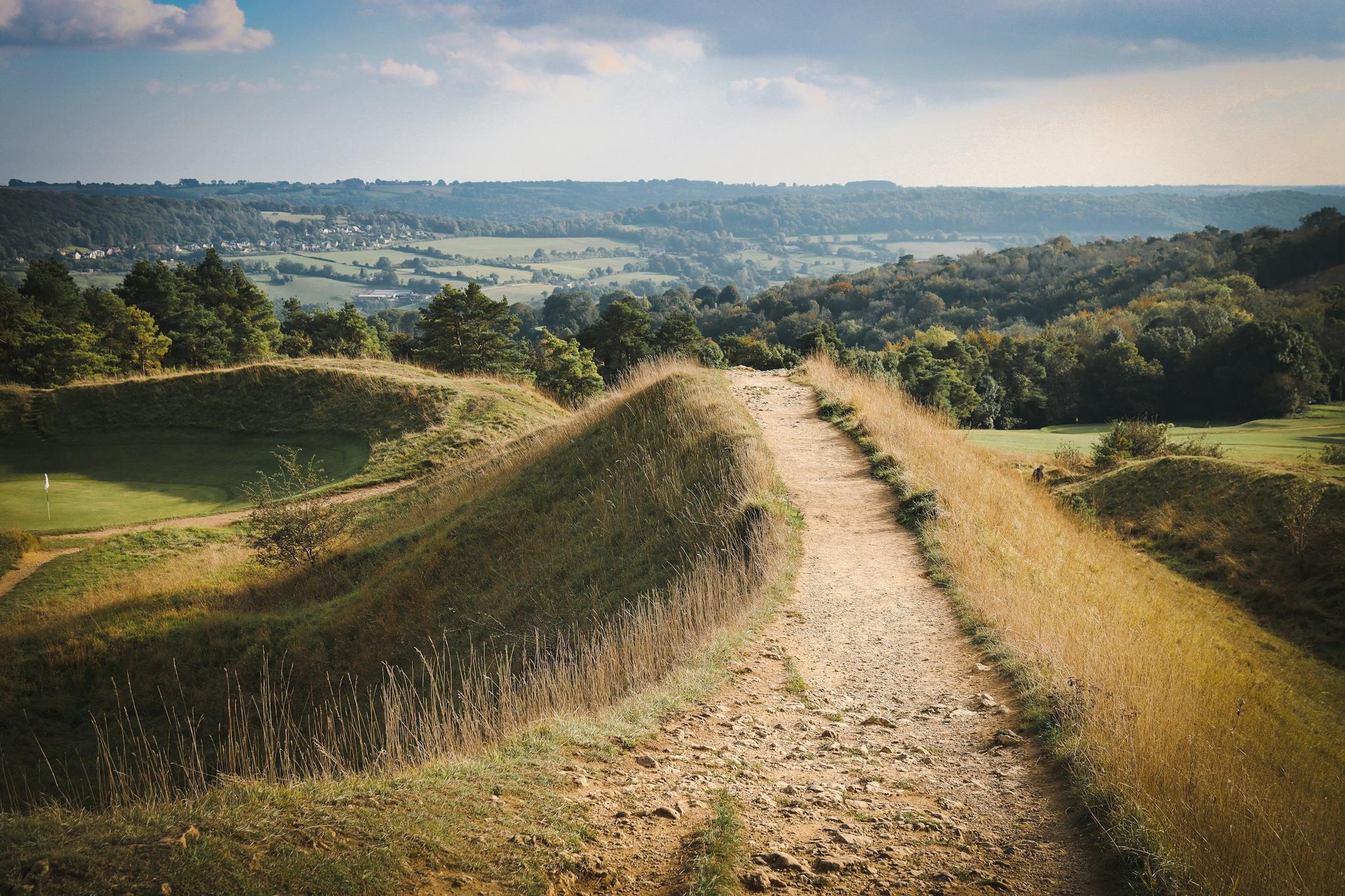
Painswick is built along a single high ridge between the Painswick Stream and the Wash Brook, where the Cotswold escarpment lifts the town clear of the valley floor and hands it a 270-degree view of the Severn Vale, the Malverns and — on the right kind of day — the Black Mountains beyond. Above the town the land rises again to Painswick Beacon, an Iron Age hillfort 283 metres up, now circled by a golf course and crossed by the Cotswold Way National Trail on its run from Chipping Campden to Bath. Below it, the medieval wool trade left its physical residue: pale honey-grey limestone houses, weavers' cottages on Tibbiwell and Vicarage Street, the surviving footprints of fulling mills along the stream. Stroud is four miles south down the A46; the M5 at Brockworth is fifteen minutes north. The town never feels remote — but it sits high enough that the weather arrives first here and the views never quite stop.
Chapter 02
Wool Money, Living Town.
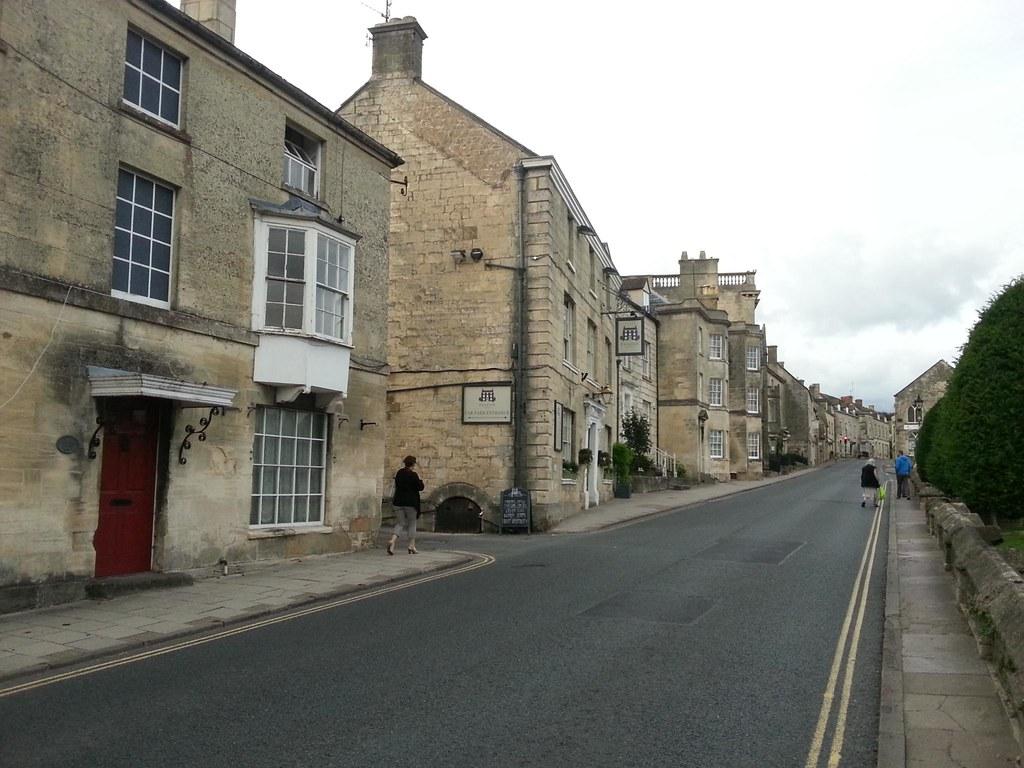
Painswick made its fortune in cloth — the Painswick Stream powered a chain of mills through the seventeenth and eighteenth centuries — and the fortune is still written into the streetscape. The clothiers' houses on New Street and Bisley Street are listed in clusters; the table tombs in St Mary's churchyard are some of the finest in England; the Rococo Garden behind Painswick House is the only complete surviving rococo garden in the country, a one-off built in the 1740s as Benjamin Hyett's private pleasure ground and rediscovered from a single painting in the 1980s. What stops the town tipping into preservation-in-aspic is that it still works: the Parish Council of twelve elected members serves Painswick alongside Slad, Sheepscombe and Edge, won first place in the GRCC Village of the Year 2025 Climate and Environment category, and runs a Town Hall in Victoria Square that hosts everything from planning meetings to weddings. Population sits at around 1,800 in the town itself, the school is oversubscribed, the cricket club is in its 175th year, and the calendar of events is dense enough that you have to choose which ones to miss.
---
Chapter 03
Ninety-Nine Yews.
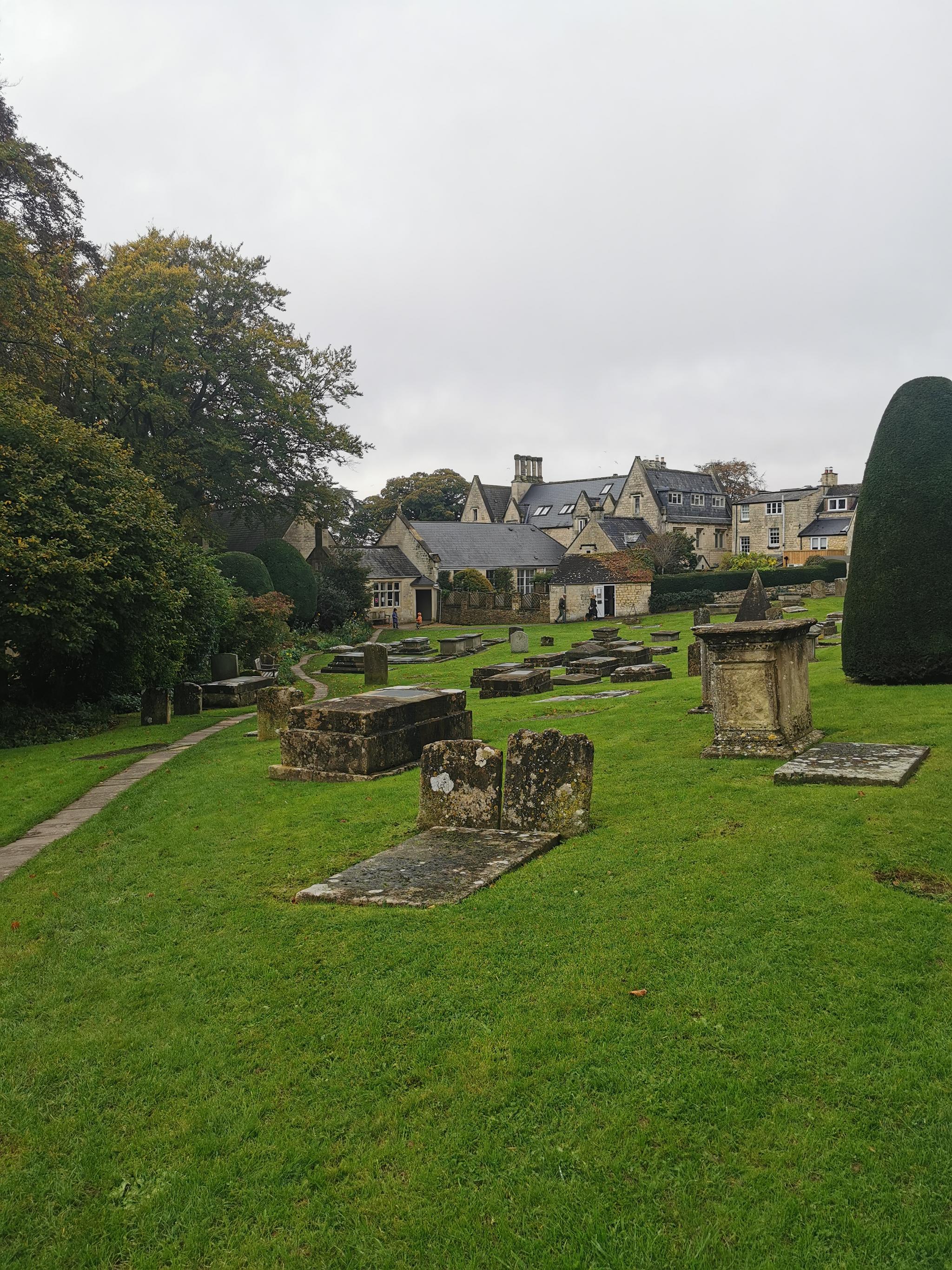
The churchyard of St Mary the Virgin holds one of the most extraordinary collections of topiary in England — ninety-nine Irish yews, clipped into tiered columns and domed forms, some of them over 200 years old. The tradition holds that a hundredth can never grow: variously attributed to the devil, the geometry of the space, or sheer horticultural stubbornness. Whatever the truth, the effect on an autumn morning — dark shapes rising from the mist between the table tombs of Painswick's wool merchants — is one of the most haunting in the Cotswolds.
Chapter 04
Rococo Garden.
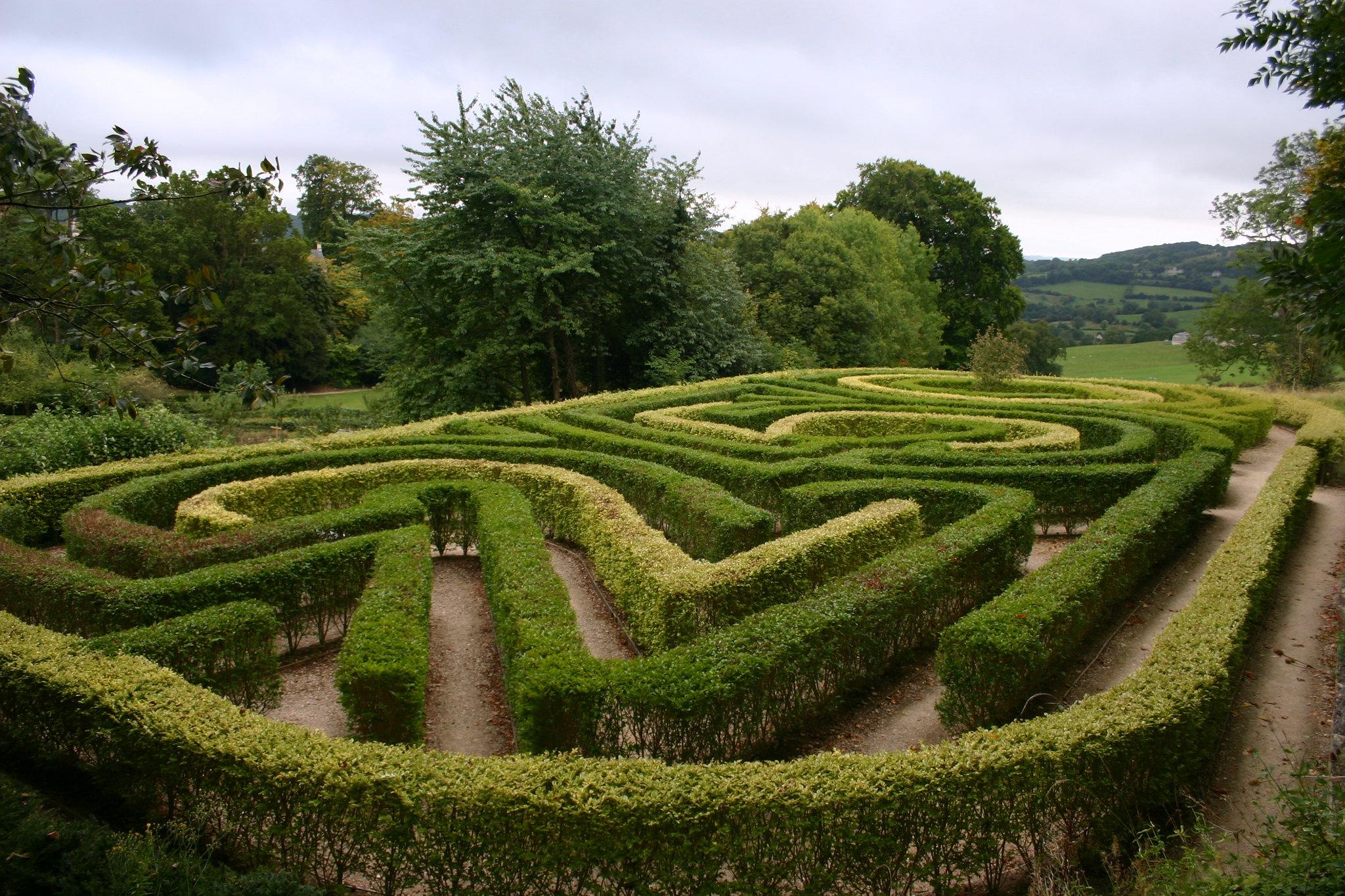
Half a mile north of the church, Painswick Rococo Garden is the only surviving complete example of the English rococo style in England — an eighteenth-century pleasure garden of winding paths, Gothic alcoves and exuberant plantings that fell out of fashion as the landscape movement swept formal gardens away. At Painswick, it survived largely forgotten until its restoration in the 1980s from a 1748 painting by Thomas Robins. The snowdrop season in February draws visitors from across the region; the kitchen garden in summer is immaculate.