Chapter 01
The Plateau.
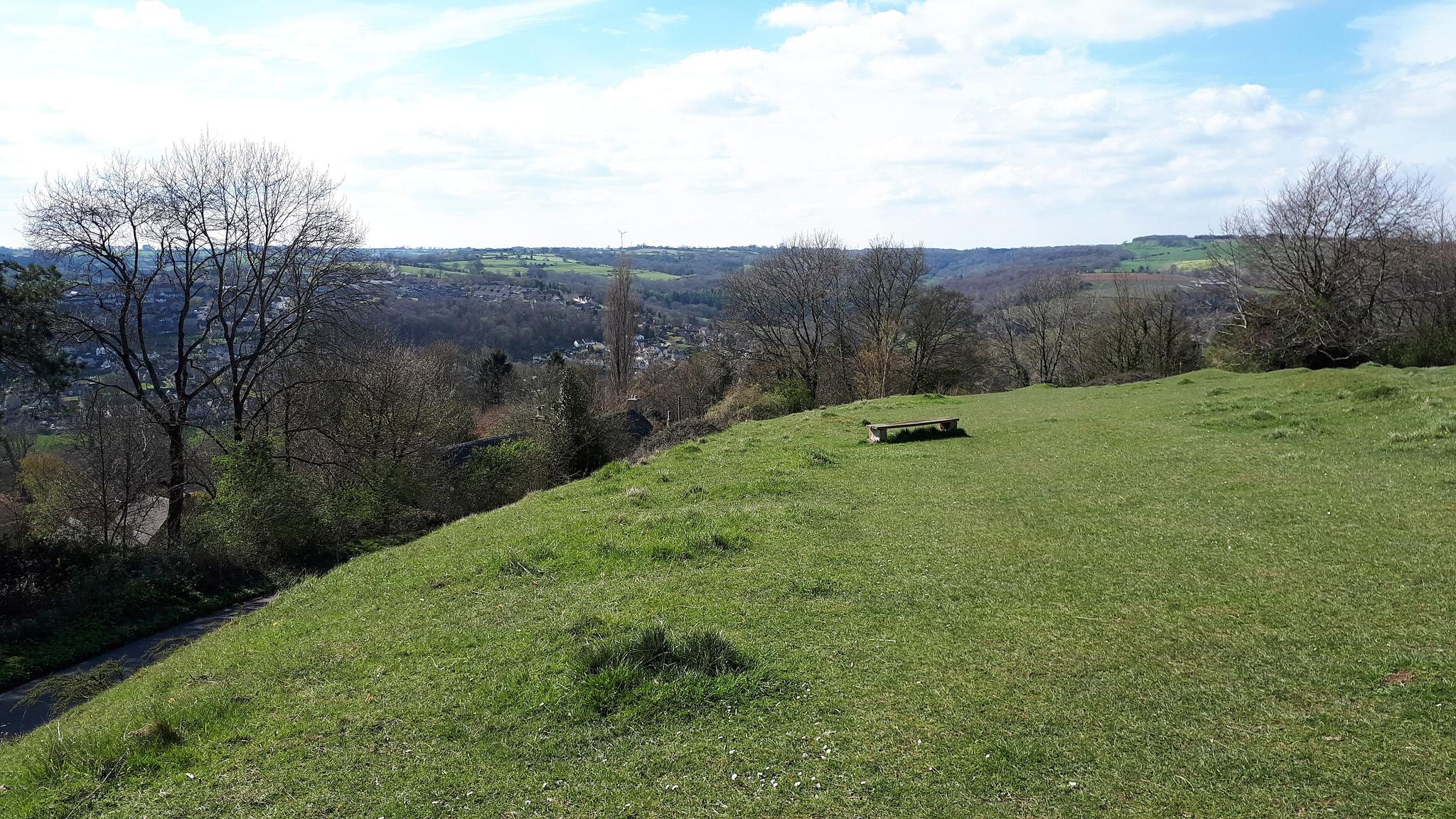
Geography did the heavy lifting here. Minchinhampton sits on a limestone plateau roughly 200 metres above sea level, with the Golden Valley falling away to the north, the Nailsworth Valley dropping south past Box and Amberley, and the Severn Vale opening out to the west on a clear afternoon. The town is built around a tight grid of High Street, West End, Bell Lane and Tetbury Street — most of the stone laid between 1650 and 1820 on the back of broadcloth money — while everything outside the conservation core opens straight onto common. Minchinhampton & Rodborough Commons — managed by the National Trust, roughly 580 acres of unenclosed limestone grassland, the largest single piece of public-access common in the south Cotswolds and the reason the air up here feels different from the valleys below. The Bulwarks, a mile of Iron Age earthwork bank and ditch, slice across the eastern edge of the common; Romano-British pottery and a gold stater have come out of the same ground. You are walking on a layered landscape every time you cross it.
Chapter 02
A Working Town, Not A Set.
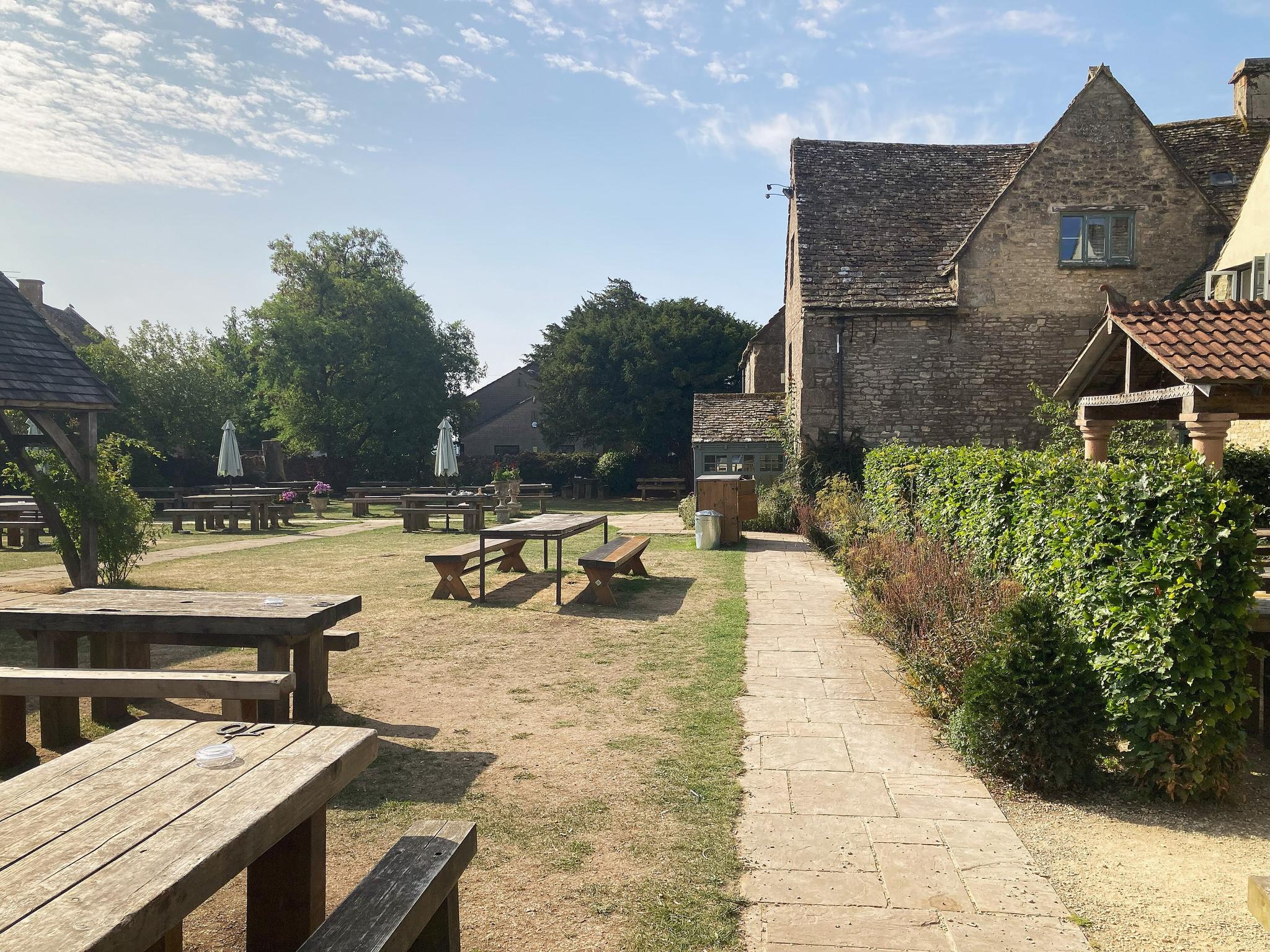
Where some Cotswold hilltops have edged towards living-museum status, Minchinhampton has stayed transactional. The cloth trade that built the place — Philip Sheppard purchased the manor in 1656, built the Market House in 1698 for the sale of wool and yarn, and by 1702 the town ranked as one of the four chief wool markets in Gloucestershire — left a confident, prosperous street pattern that the parish still uses for its proper business: weekly produce stalls under the Market House pillars, the country fayre on the Great Park, the Tuesday charter market that traces back to a 1269 royal grant. Population around 5,800 across the parish, anchored by two outstanding schools, three working pubs in walking distance of the square, and a golf club that has been part of the social engineering of the town for 137 years. The High Street is not curated for outsiders. It is simply still in use. That is rarer than it sounds, and it is why Minchinhampton property holds where comparable villages have softened.
---
Chapter 03
The Common.
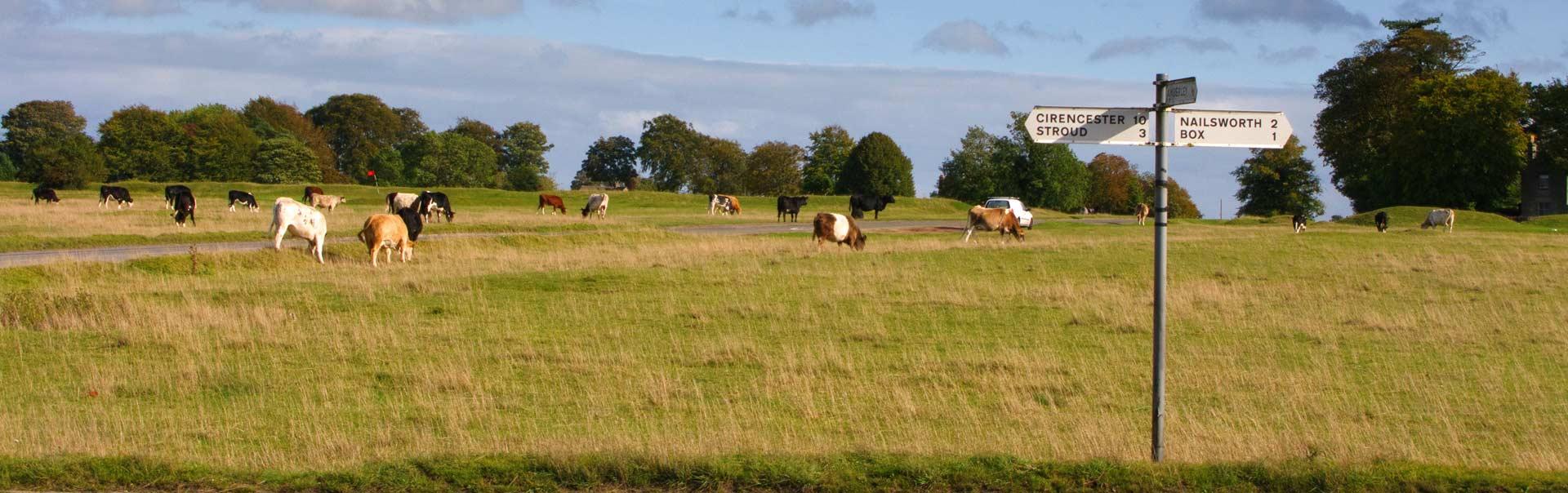
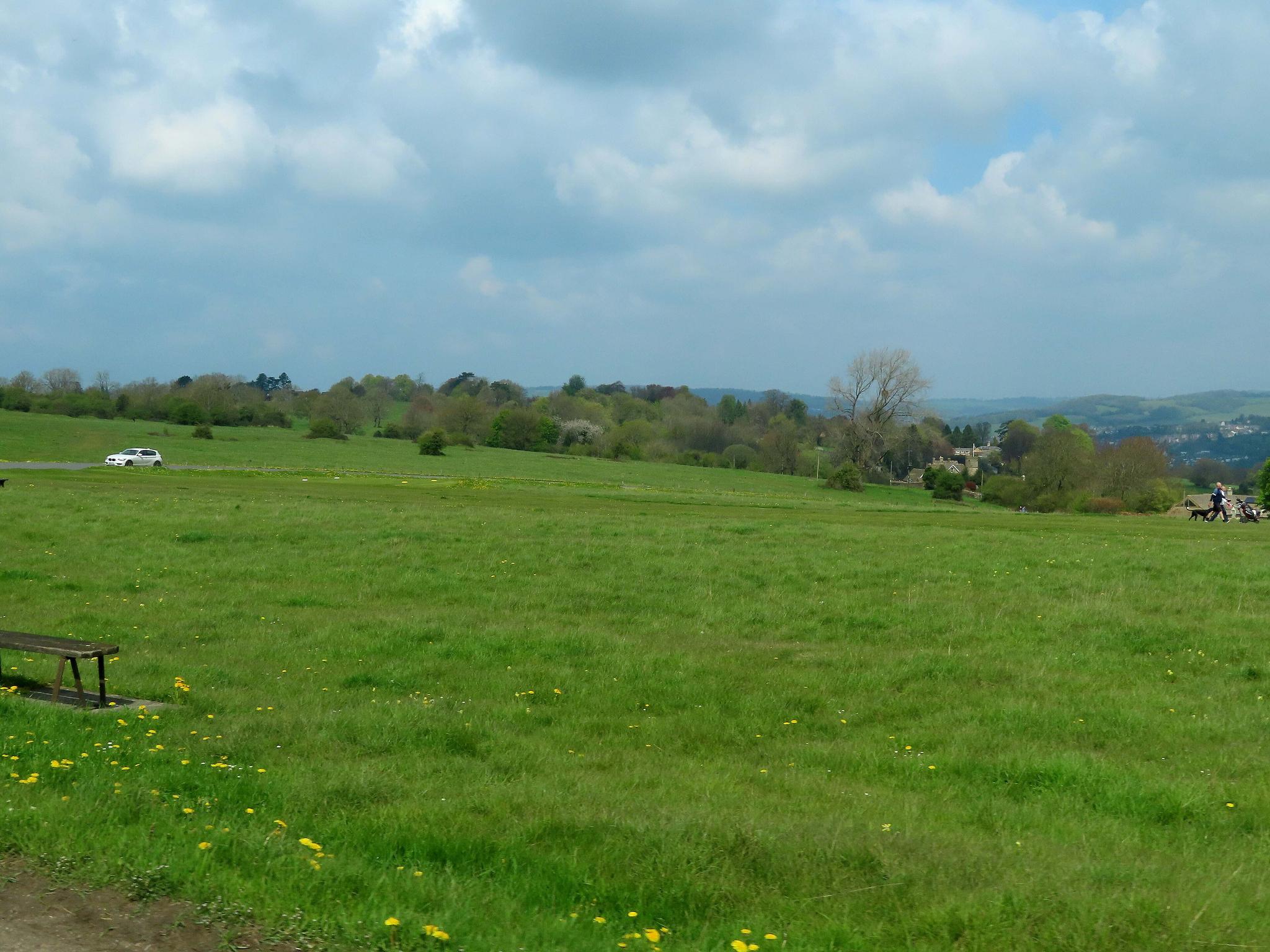
Minchinhampton Common is 580 acres of National Trust land managed much as it has been for centuries — grazed by cattle whose right-of-way takes precedence over traffic, crossed by ancient earthworks including the Iron Age 'Bulwarks' defensive bank, and scored by a golf course whose players learn quickly to share the fairway with cows and dog-walkers. The plateau's views over the Golden Valley are among the finest in the Cotswolds; on a clear day the Welsh hills are visible to the west. It is the kind of open land that residents defend fiercely and visitors never forget.