Chapter 01
A Parish on the Lip of the Valley.
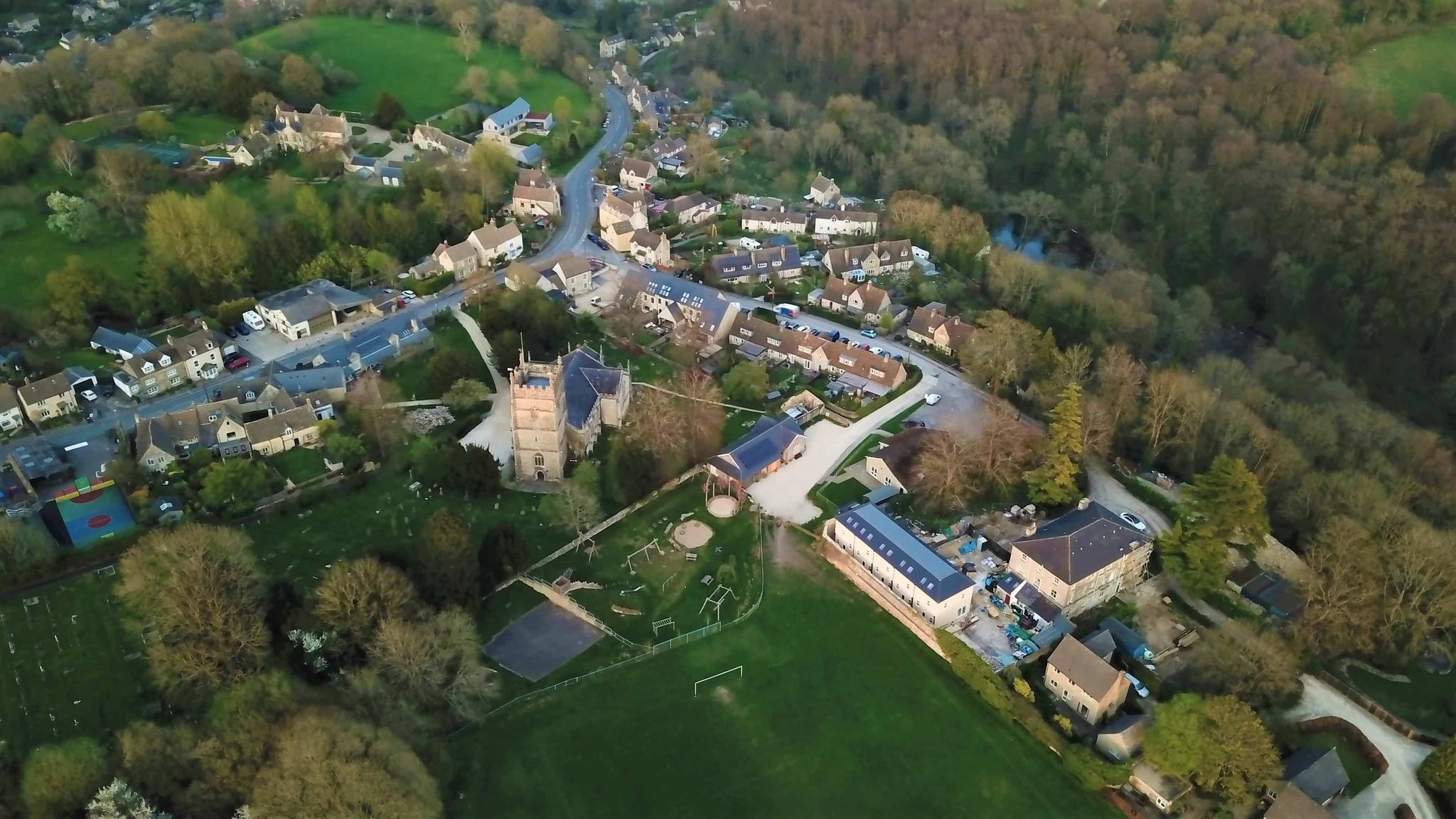
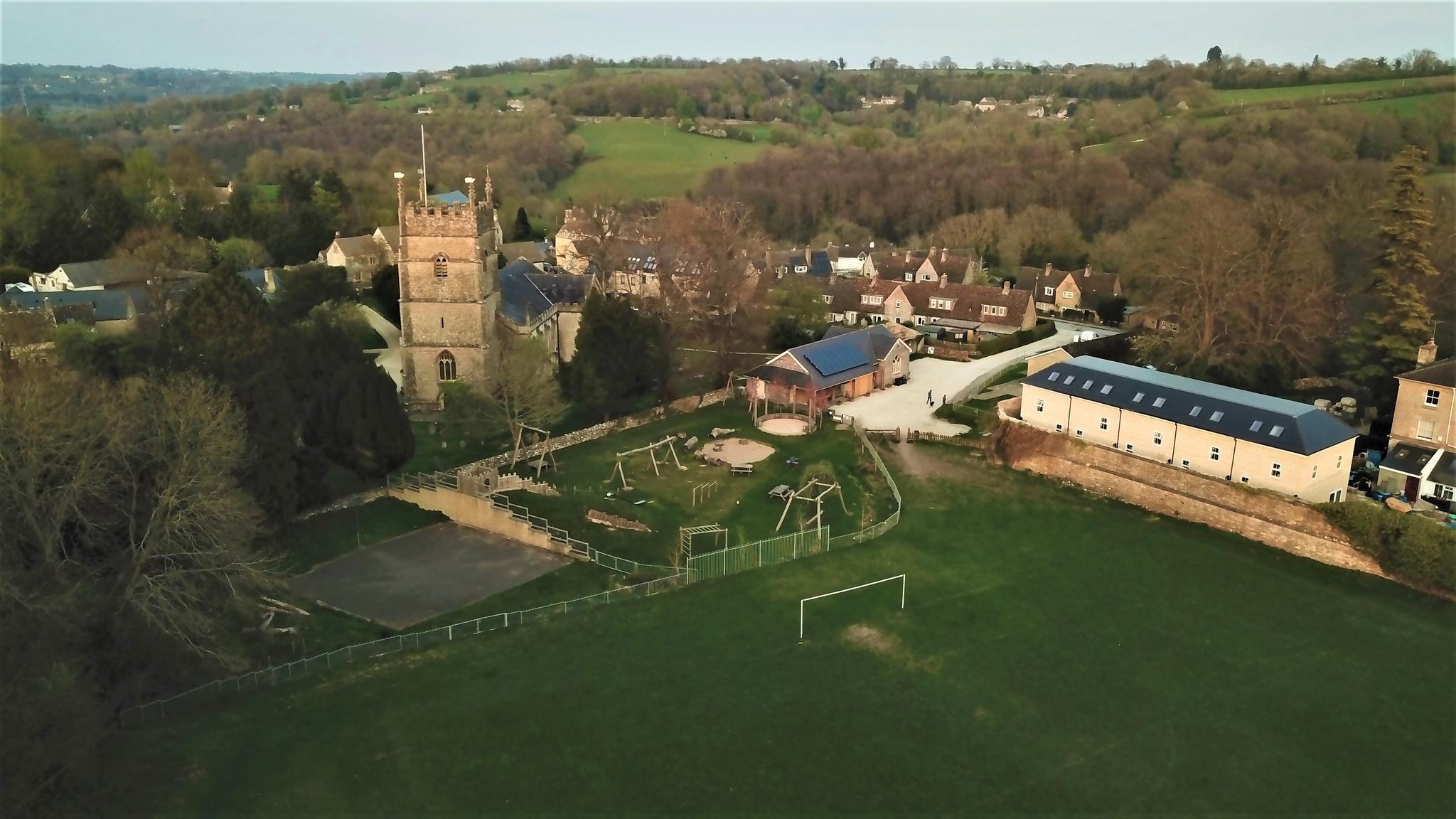
Horsley sits 1½ miles south-west of Nailsworth and about five miles south of Stroud, on the western edge of the Cotswolds AONB. The parish is bisected south-to-north by the Bath-Gloucester turnpike of 1780 — now the B4058 — and the land falls away east into the Nailsworth valley and west into the wooded combes around Tickmorend, Chavenage and the head of the Ozleworth brook. From the lane above St Martin's the eye reaches across the valley to Minchinhampton Common; from Tickmorend the view runs south into rolling sheep country that has barely changed in 200 years. The parish historically covered 4,145 acres — large by any English standard — and the spread of woollen-cloth mills along its streams in the 17th and 18th centuries made Horsley a more important market town than Nailsworth long before the Industrial Revolution tipped the balance the other way. Nailsworth's full range of shops, schools, restaurants and the Egypt Mill is fifteen minutes on foot down the hill; Stroud town and the mainline trains to London Paddington are seven minutes further on by car.
Chapter 02
A Working Village, Not a Weekend One.
There is a Cotswold sub-category that exists mainly to be looked at: pretty, quiet, lights off by Tuesday. Horsley is not that village. The parish keeps a Church of England primary school, a community-run shop in the pavilion at Priory Fields, a 1960s village hall on Karen Butt's booking diary, a free house at the crossroads, a parish council that meets monthly in the hall, an active garden society with a full year of shows and lectures, a playgroup, a panto and a fun run that raised £1,500 for the hall in April 2025. The Parish Council sits within the Cotswold AONB and takes the conservation responsibility seriously — every planning application is scrutinised, every hamlet defended. The character of the place is the produce of the people who live in it, not a museum dressing kept up for visitors. That is why Horsley holds value the way it does.
---
Chapter 03
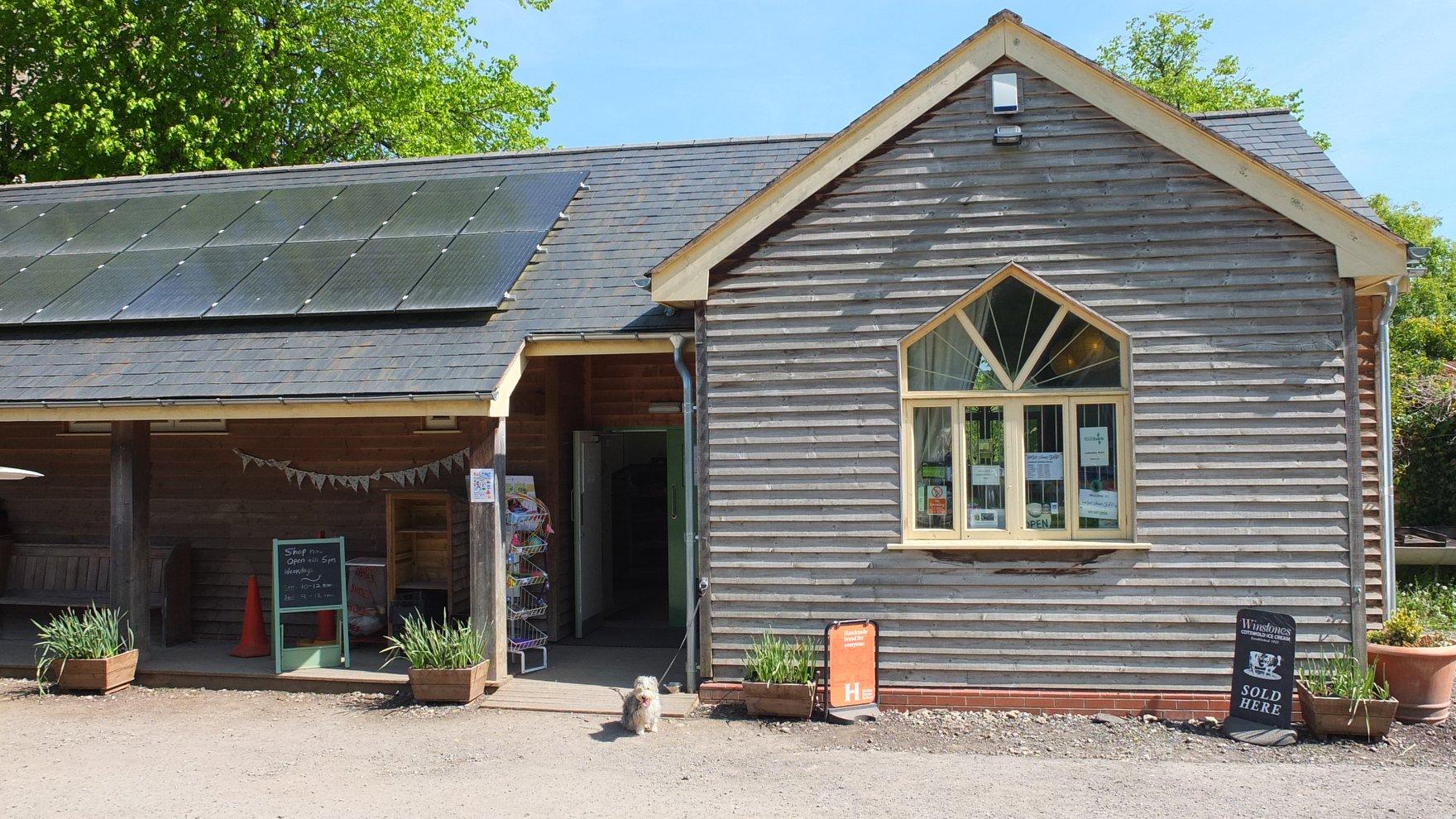
The Village Shop.
Horsley's community shop is run almost entirely by volunteers — a practical demonstration of the village's self-reliance that has become a reference point for rural communities across the Cotswolds. Opened when the last commercial operator left, it has since kept essential supplies within walking distance for residents who chose to live here precisely because of infrastructure like this.
Chapter 04
Room to Grow.
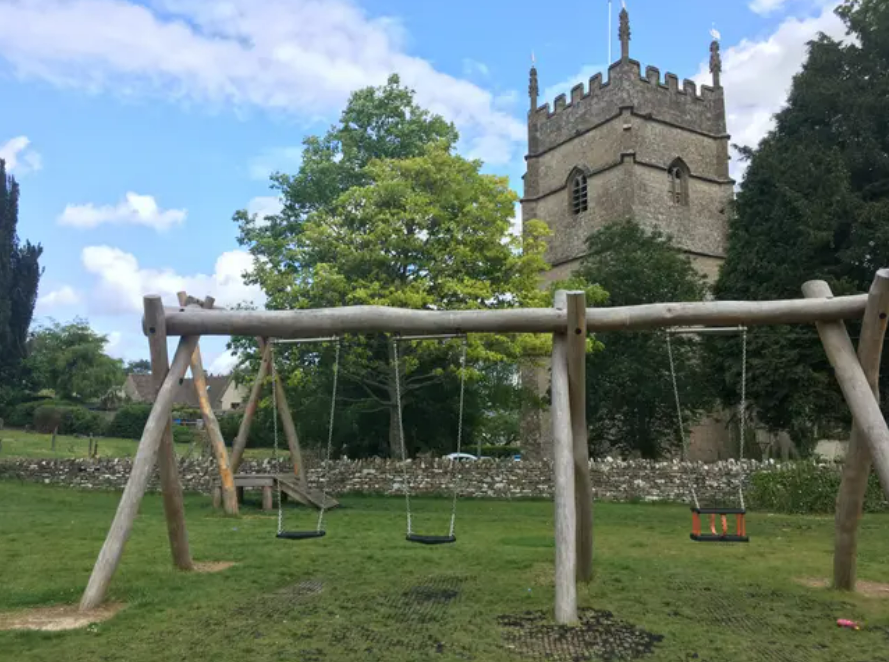
Horsley's youngest residents have the kind of childhood that is increasingly hard to find this close to a market town. The parish play park, the school playing fields and the open countryside beyond give families the space and freedom that parents cite first when they explain why they moved here. The primary school takes children through to eleven with a tight-knit community built around it.
Chapter 05
A Village That Shows Up.
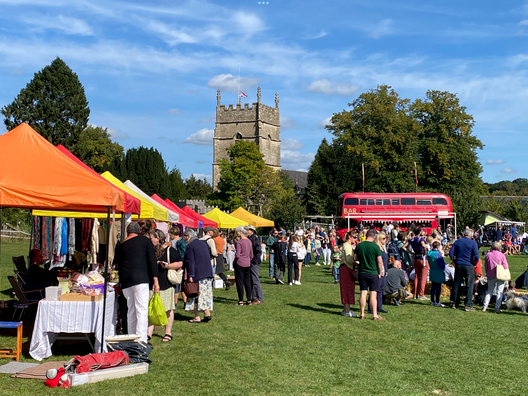
Horsley has the event calendar of a place that genuinely likes itself — from the summer fete to seasonal markets and the parish hall programme, the village turns out in numbers. It is the kind of community cohesion that is mentioned in every property brochure but rarely found in practice. Here it is visible, organised and ongoing.