Chapter 01
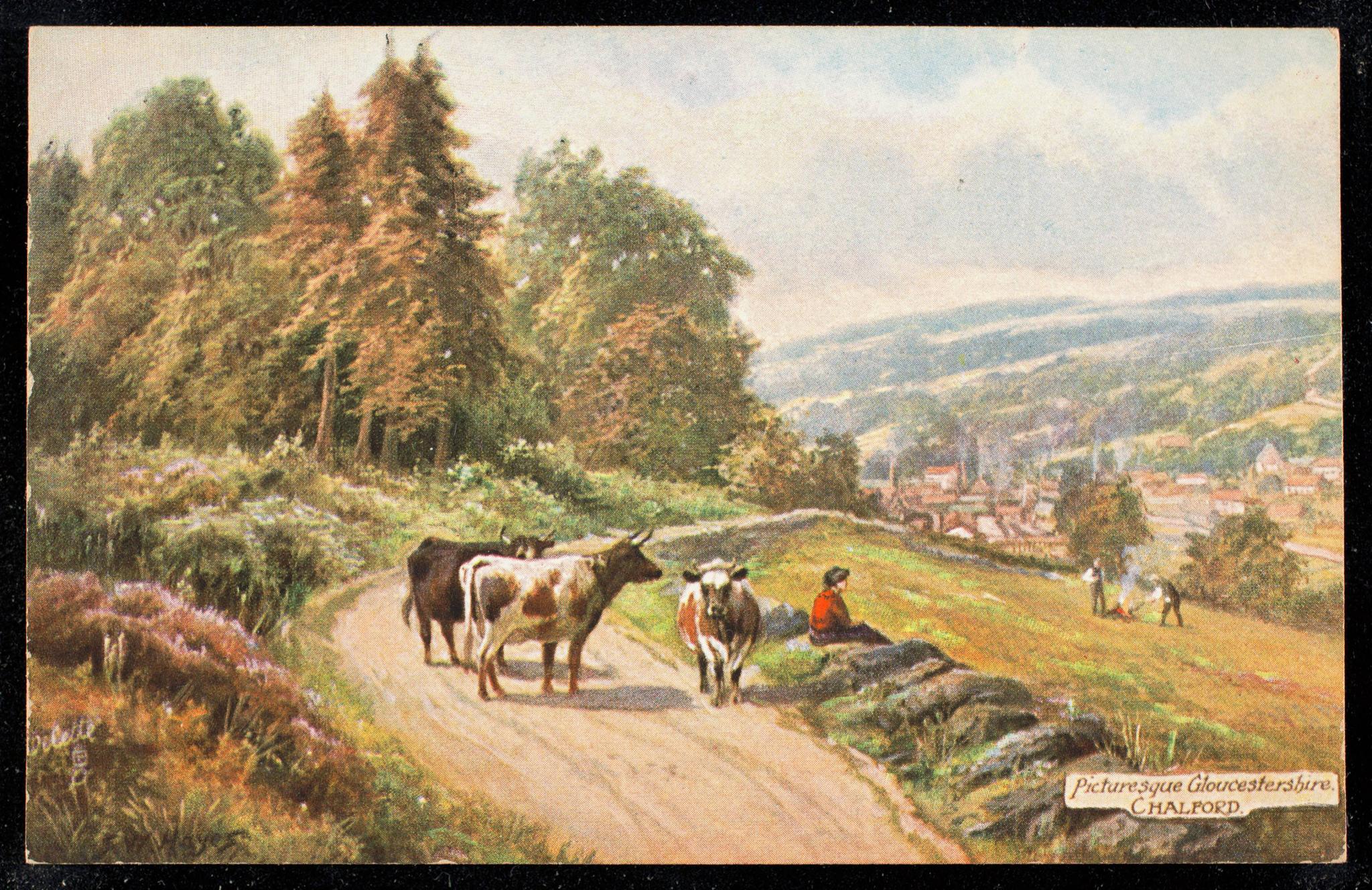
Cottages on the hillside.
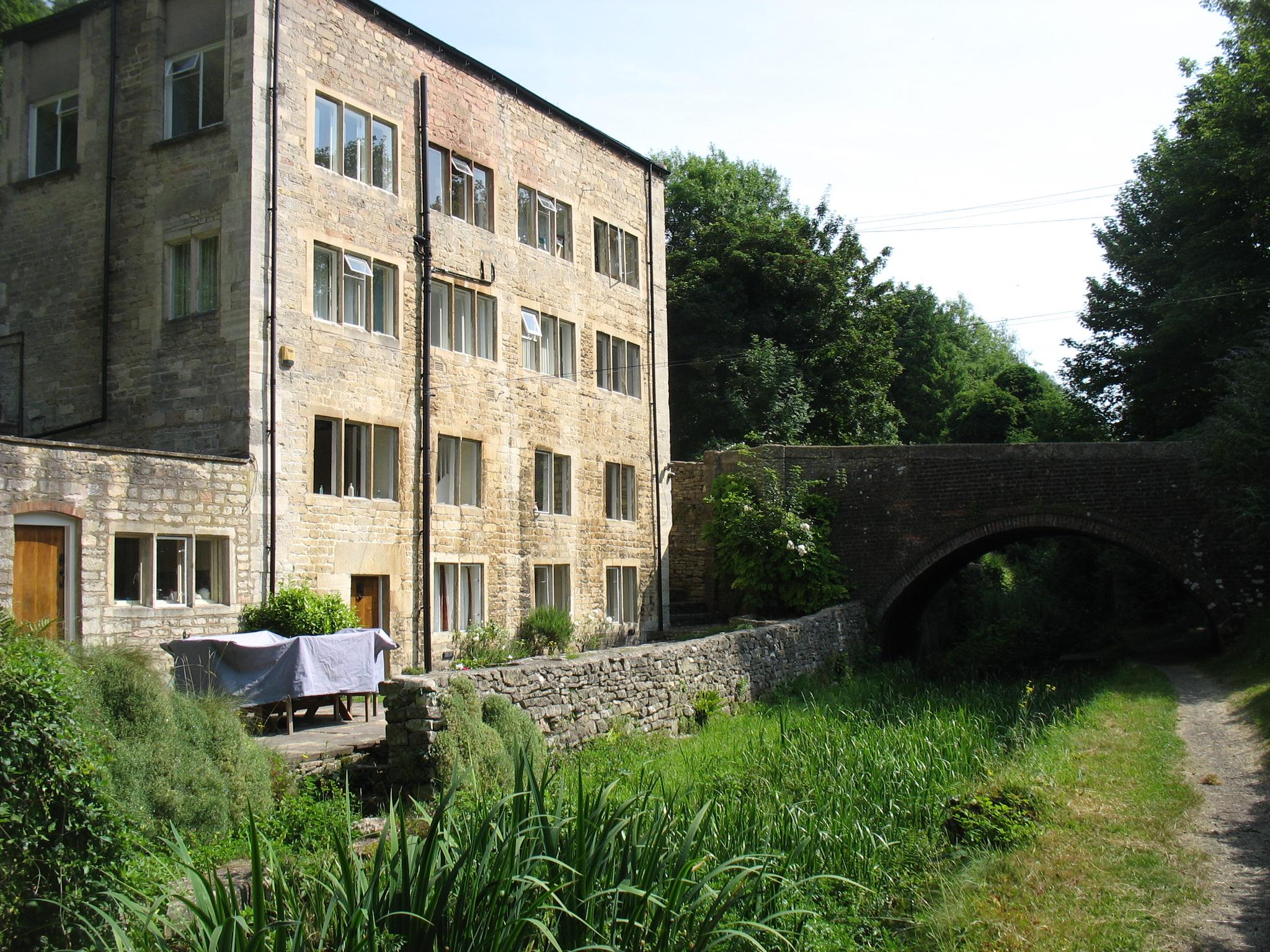
Chalford grew out of the Stroud valleys' wool and silk trade, and that history is written into its streets. Weavers' cottages were built clinging to the steep slopes, many on the edge of what was Bisley common, and the gradients were once worked by donkeys carrying groceries up to the houses, a practice that lasted into the 1950s. After the cloth industry moved north the village fell quiet, until the historic value of the cottages was recognised in the 1970s and many were carefully restored. The result is housing stock with real character: terraced stone cottages, former mill buildings and individual houses threaded by footpaths rather than roads.
Chapter 02
The canal and the valley floor.
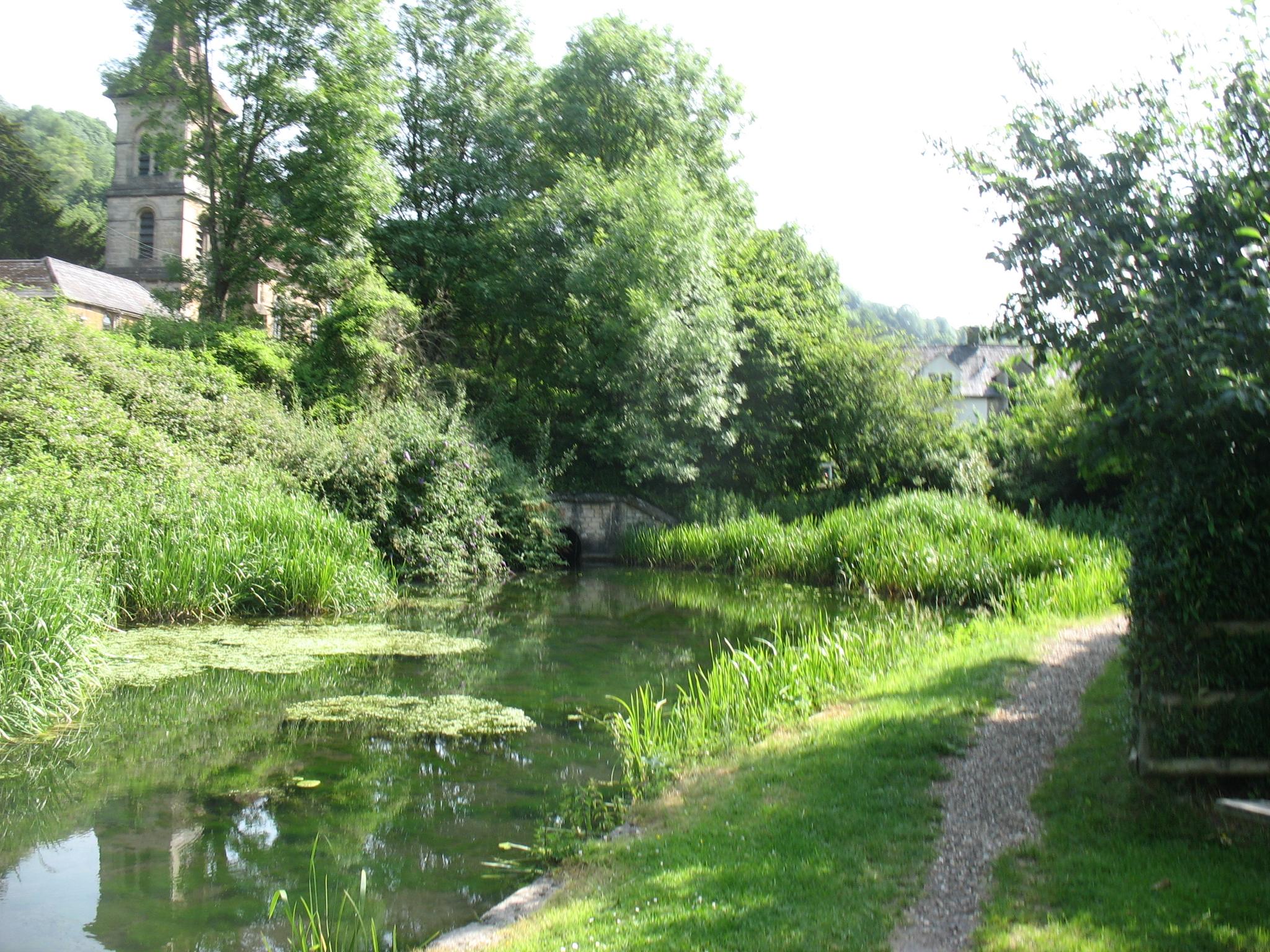
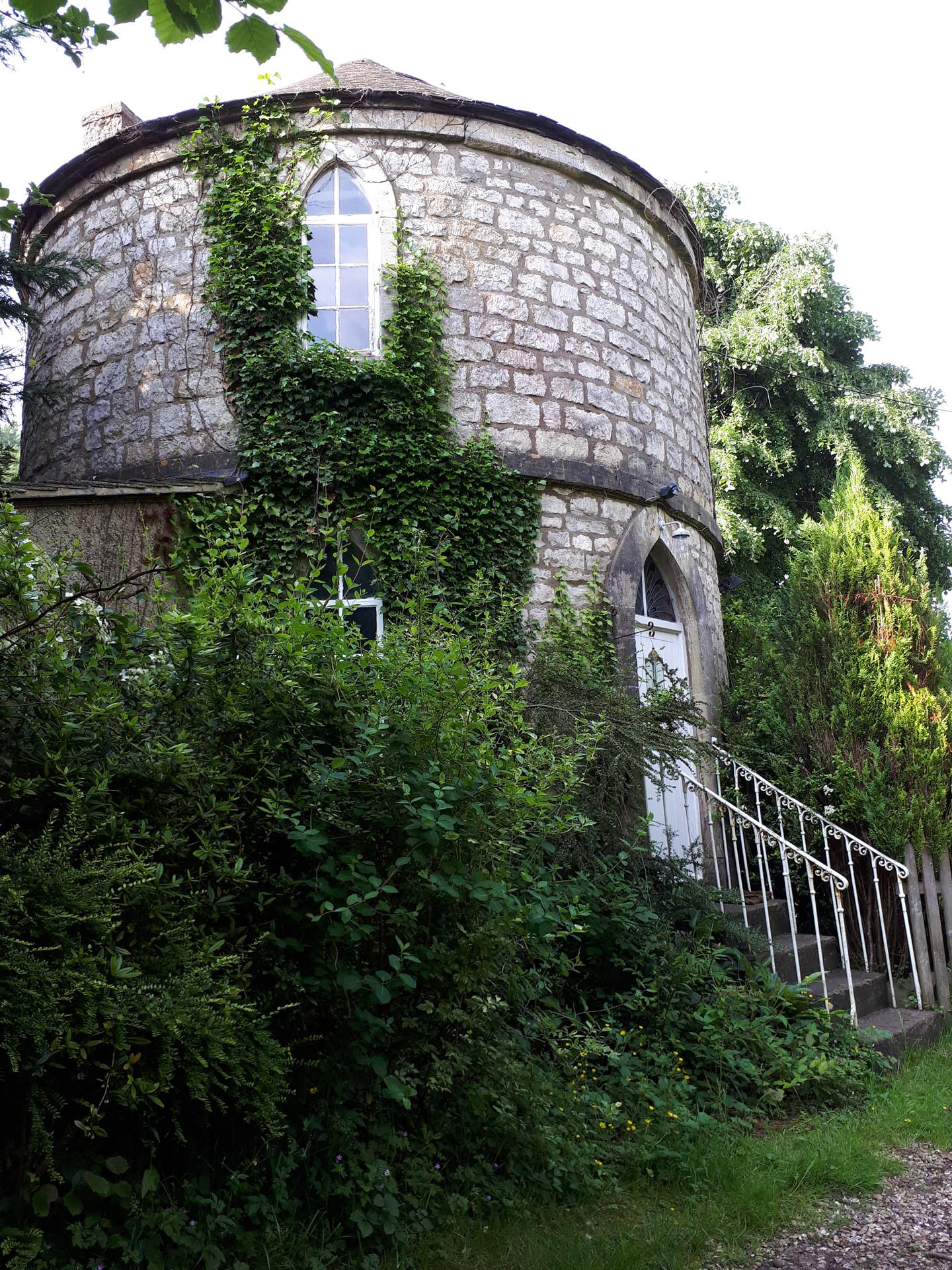
Below the village, the Thames and Severn Canal and the River Frome run along the bottom of the Golden Valley. Chalford's circular lengthsman's roundhouse, built around 1790 just after the canal opened, still stands beside the water and is the first of five along the route to Lechlade. The towpath now gives level, easy walking towards Stroud one way and Sapperton the other, in contrast to the steep lanes above. Woods, meadows and the Toadsmoor valley sit close by, and a waymarked wildlife trail loops through the wider parish, so green space is genuinely on the doorstep.
Chapter 03
The Golden Valley & Frith Wood.
The valley above Chalford narrows to a steep cleft that catches morning mist and holds it until late in the day. Frith Wood and Oldhills Wood cover the upper slopes — ancient woodland that has never been cleared, crossed by paths that run parallel to the canal below. The combination of the working mill buildings converted to residential use, the restored canal towpath, and the woodland above gives Chalford a layered character that most Cotswold valleys cannot match.