Chapter 01
A High Village.
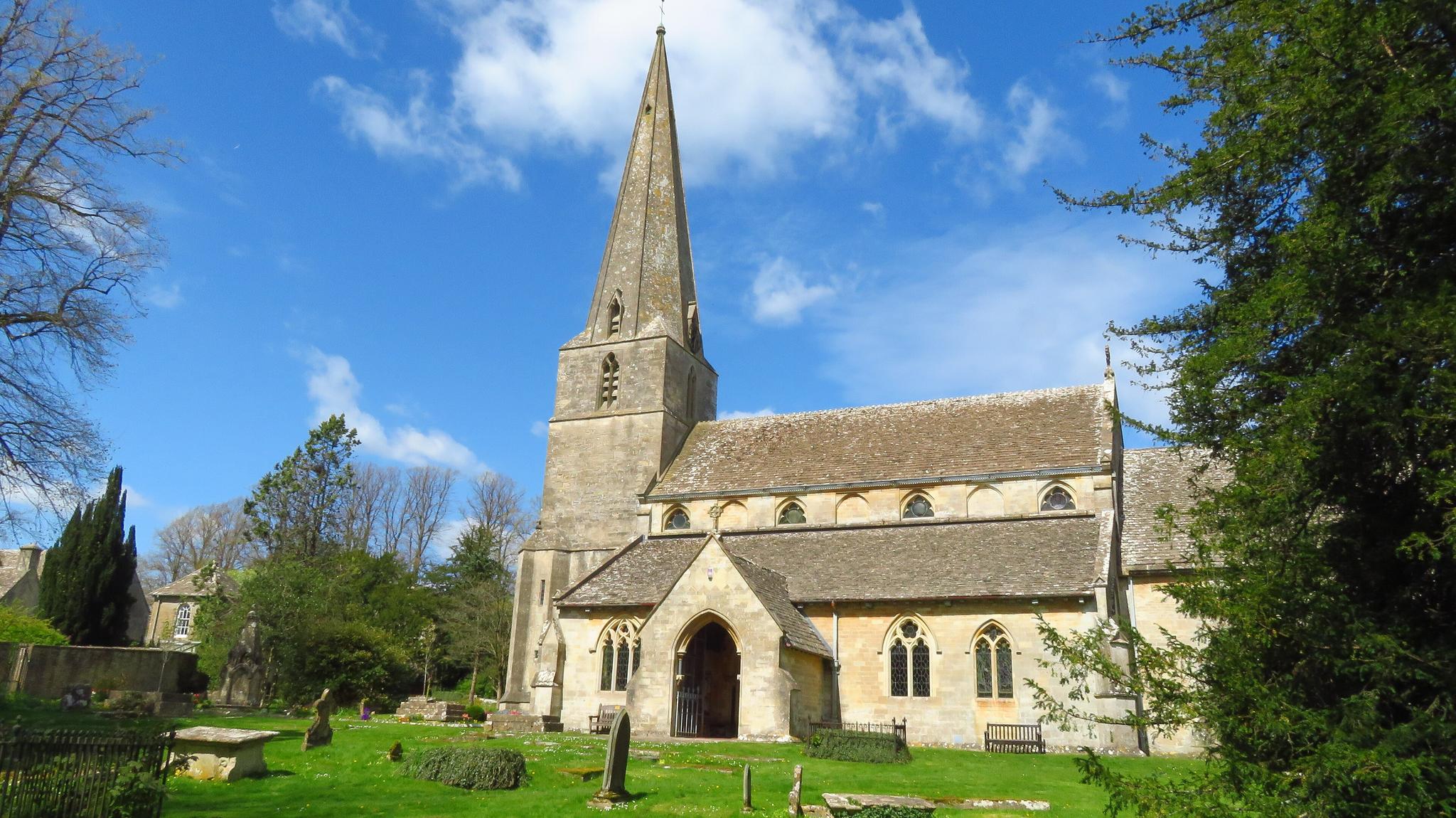
Bisley occupies one of the highest positions of any village on the Cotswold plateau — high enough that the lanes descending to Stroud drop sharply enough to deter the casual visitor. The wealth that built this village came from wool: Bisley was a major cloth parish in the medieval period, and All Saints Church, with its unusual detached priest's house and elegant Perpendicular spire, reflects the confidence of a community that earned its standing. The churchyard looks out over a view that spans several miles of escarpment on a clear day.
Chapter 02
The Seven Springs.
Below the churchyard, Bisley's seven well-heads are built into the wall of a lane that has carried water to the village since before the Norman conquest. Restored and dressed in 1863 — the ceremony is held on Ascension Day each year without fail — the springs are unusual enough to draw walkers and historians who know what they are looking at. The water still tests clean. The ceremony is not a tourist attraction: it is simply something the village does, as it has done for over 150 years.
Chapter 03
Througham & the Deep Lanes.
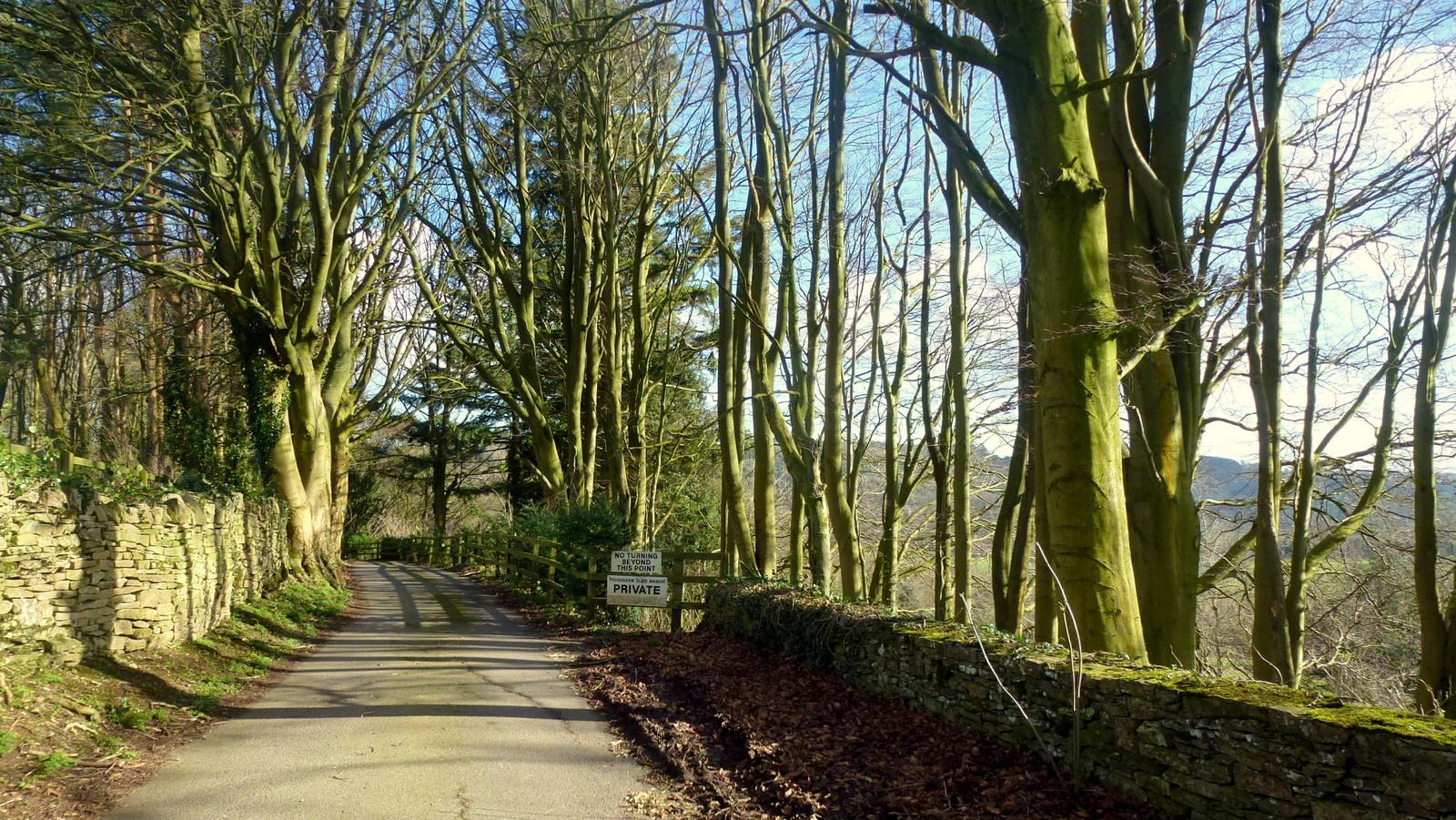
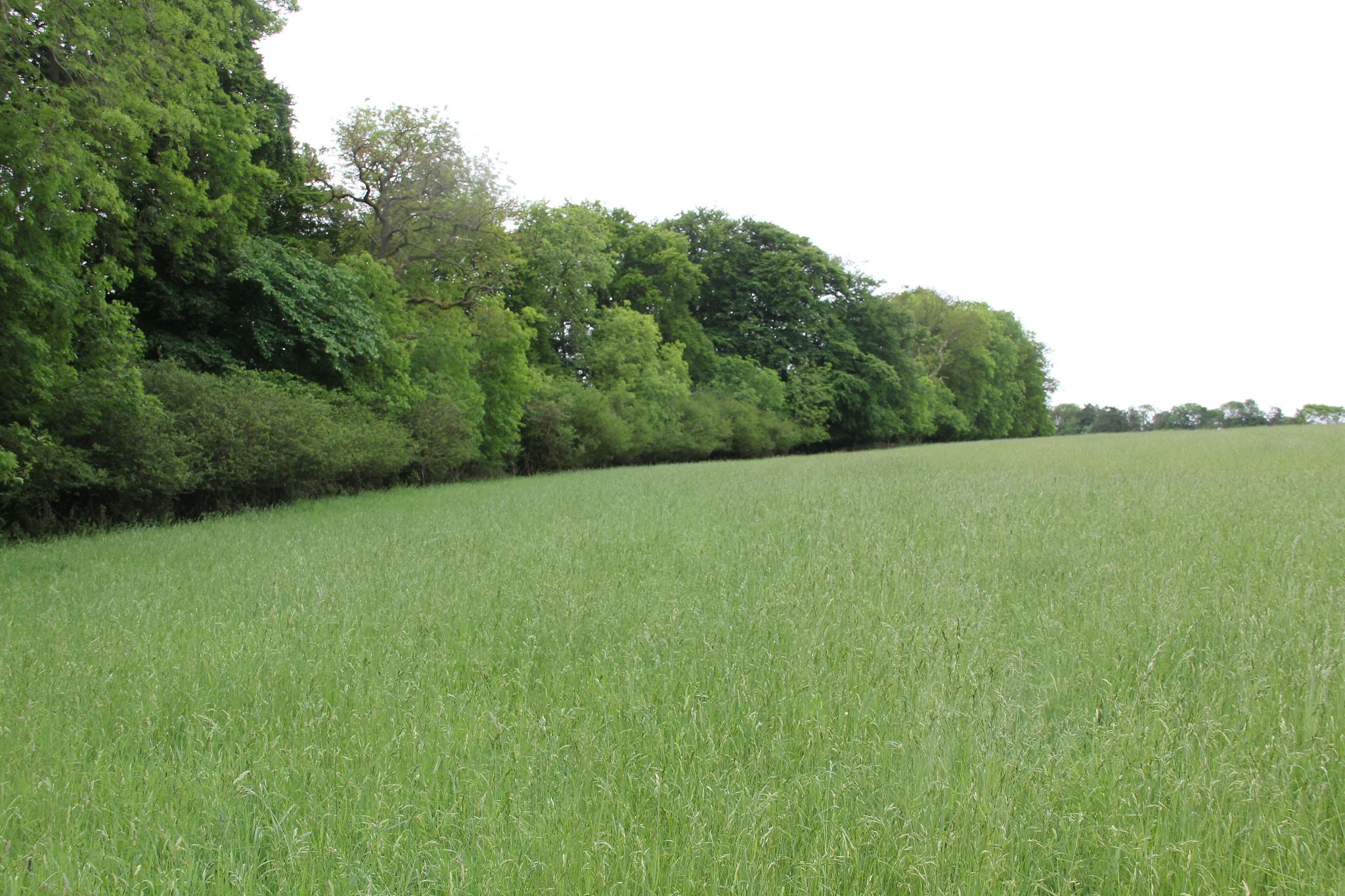
Beyond the village the parish stretches into some of the most secluded countryside in Gloucestershire. The hamlet of Througham lies in its own fold of the valley — a cluster of stone farmhouses that appear suddenly at the end of a road that gives no warning of what is coming. Dorvel Wood and Hen Wood press in from the south, crossed by footpaths that see few walkers other than those who live on this plateau. The lane from Bisley through to Slad is the kind of road that convinces people who drive it once to start looking at property.